A pivotal part of historical community life, discover the religious heritage that unites our Beautiful Villages.
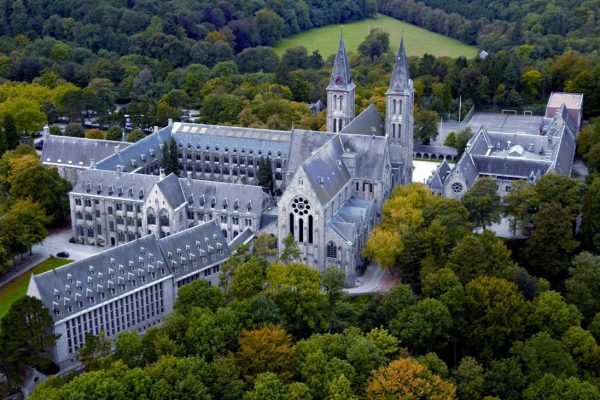
A prestigious monastery from which emanates plenitude, tranquillity and absoluteness. An architectural ensemble of great beauty to which one cannot remain indifferent... (Outside the village - 3 km).

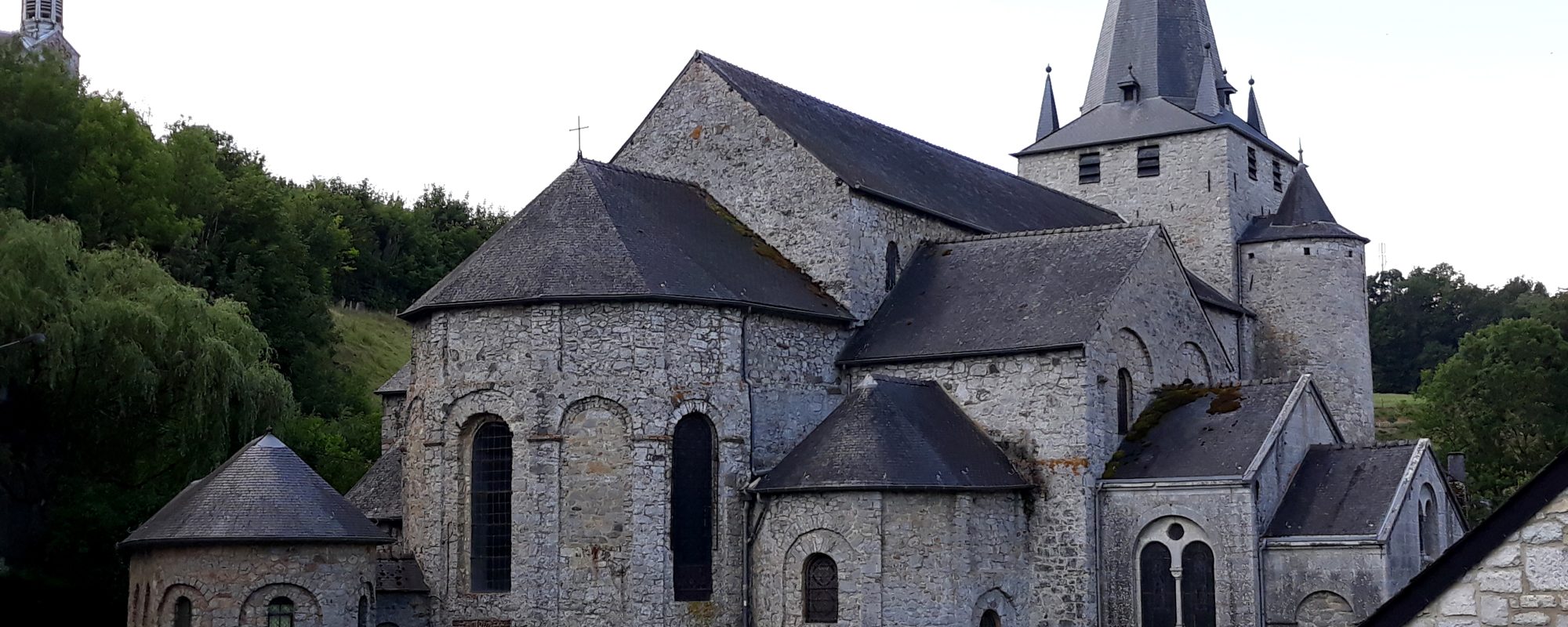
A beautiful unfinished Romanesque church, the former abbey church of a short-lived monastery.
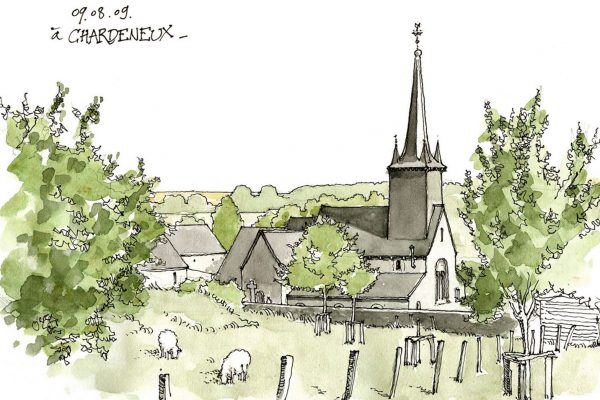
From its square, open to the landscape, the traditional buildings of the village flow out - Listed monument.

The homogeneity of the limestone exterior Vs an interior rich in architectural details - listed monument.
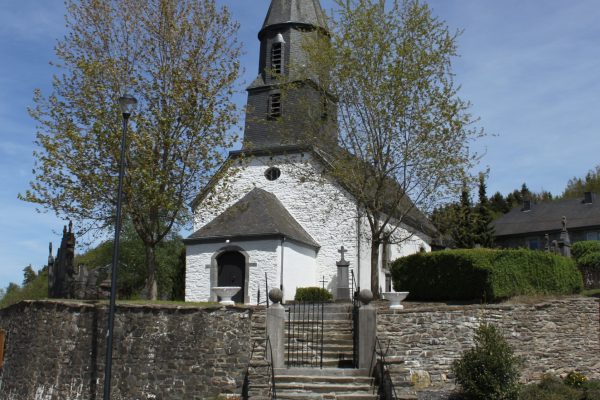
Characteristic of a secular model, and set on the large walled base of the cemetery, the Saint-Laurent church has dominated the village since 1820 - Listed monument
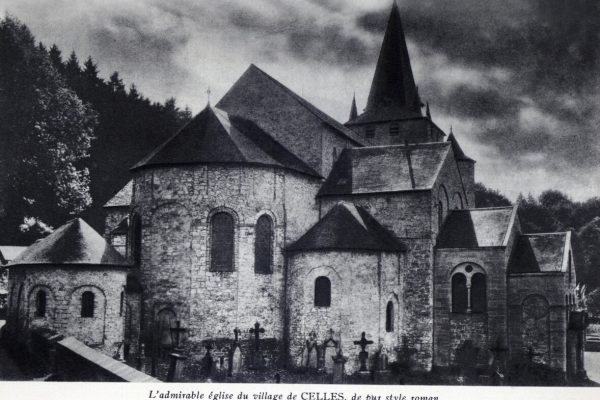
Since the 11th century, the collegiate church has displayed its cascading limestone volumes in the heart of the village of Celles - an exceptional heritage of Wallonia.

A Cistercian abbey whose origins date back to 1216 - Exceptional heritage of Wallonia (Outside the village).
Fondée en 1216 par des moines cisterciens, l’abbaye Notre-Dame du Val-Dieu est un havre de paix au cœur du Pays de Herve. Elle se situe au centre du triangle Liège-Maastricht-Aix-la-Chapelle.
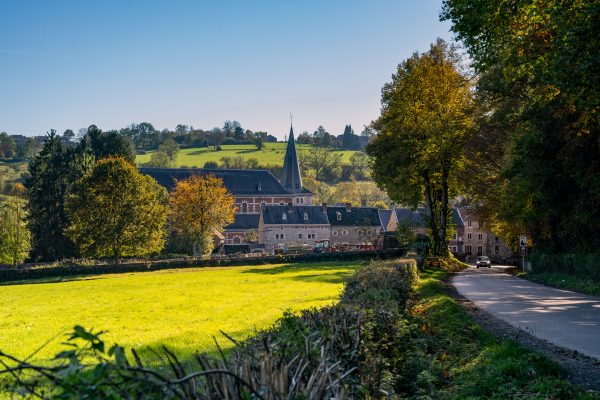
Like a tower moored to a large vessel, the imposing silhouette of the Saint-Roch church stands out in the Soiron landscape.
The association Les Plus Beaux Villages de Wallonie (The Most Beautiful Villages of Wallonia) oversees a network of 32 villages, bearers of a strong territorial identity and reflecting traditional architecture. It is committed to promoting the rural, cultural and natural heritage of Wallonia and is a part of the development of local and responsible tourism.
More information