A pivotal part of historical community life, discover the religious heritage that unites our Beautiful Villages.

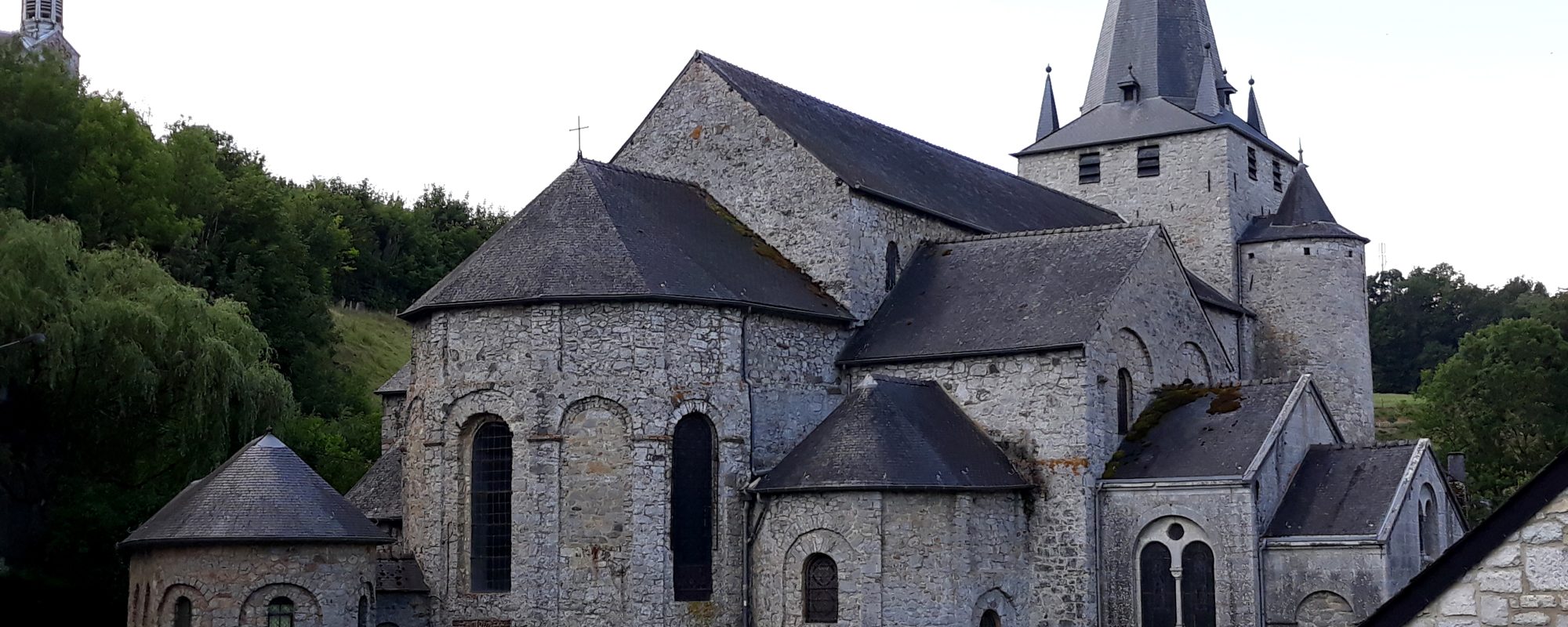
A blend of Romanesque and Gothic, the Sainte-Colombe church is the only building in the locality to have survived the centuries.

A religious building with medieval origins in the heart of the locality - Listed monument.

At the end of the Austrian period, a house from 1790 with a Mansard roof
Fondée en 1216 par des moines cisterciens, l’abbaye Notre-Dame du Val-Dieu est un havre de paix au cœur du Pays de Herve. Elle se situe au centre du triangle Liège-Maastricht-Aix-la-Chapelle.
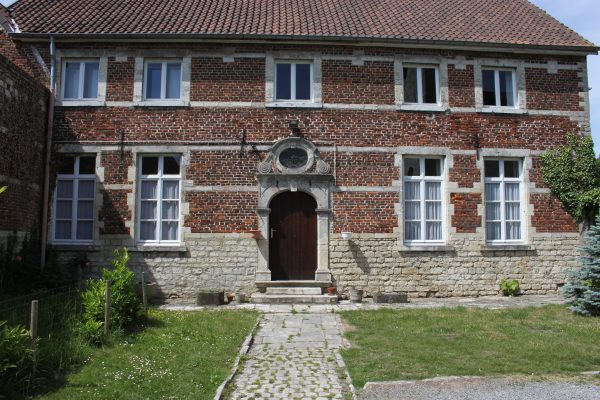
A former vicarage dating from 1729, with an elegant volume skilfully enlivened by details in Gobertange stone.
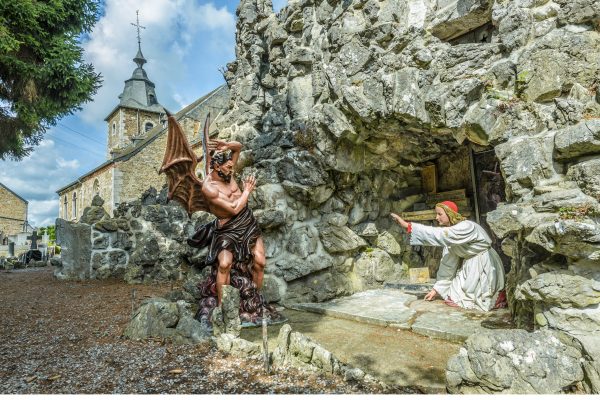
In the footsteps of Saint Anthony of Padua or...the devil - Listed site
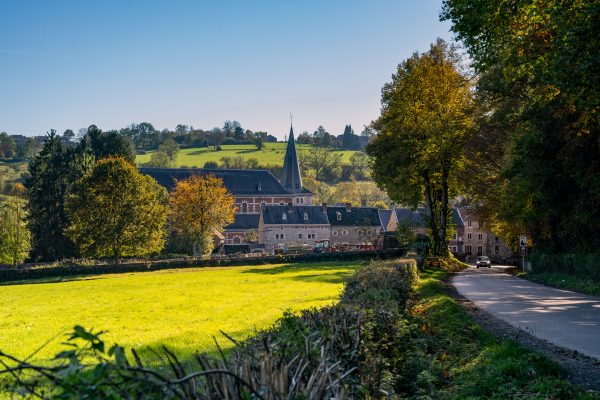
Like a tower moored to a large vessel, the imposing silhouette of the Saint-Roch church stands out in the Soiron landscape.
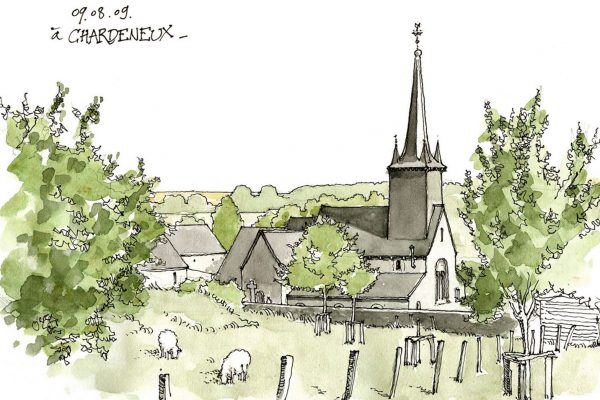
From its square, open to the landscape, the traditional buildings of the village flow out - Listed monument.
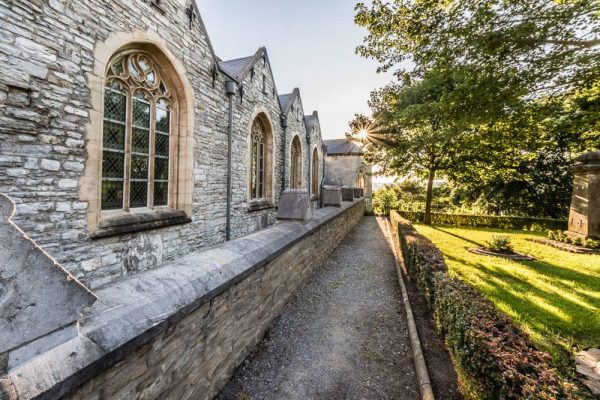
From the top of its rocky spur overlooking a meander of the Vesdre, the silhouette of Saint-Georges church looks proud and dominates the locality - listed monument - Exceptional heritage of Wallonia
The association Les Plus Beaux Villages de Wallonie (The Most Beautiful Villages of Wallonia) oversees a network of 32 villages, bearers of a strong territorial identity and reflecting traditional architecture. It is committed to promoting the rural, cultural and natural heritage of Wallonia and is a part of the development of local and responsible tourism.
More information