A pivotal part of historical community life, discover the religious heritage that unites our Beautiful Villages.
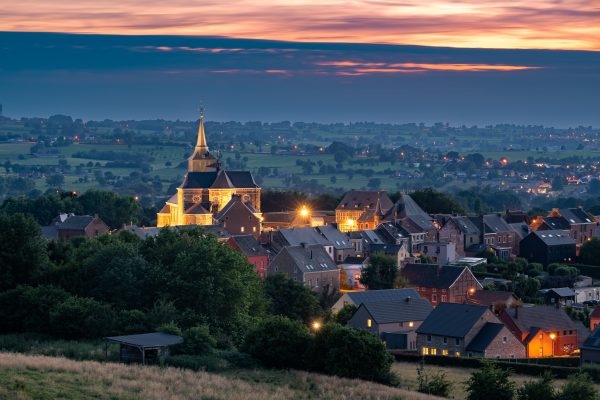
With its back to the Place de la Halle, the silhouette of Saint-Jacques-le-Majeur church dominates the town and the countryside below

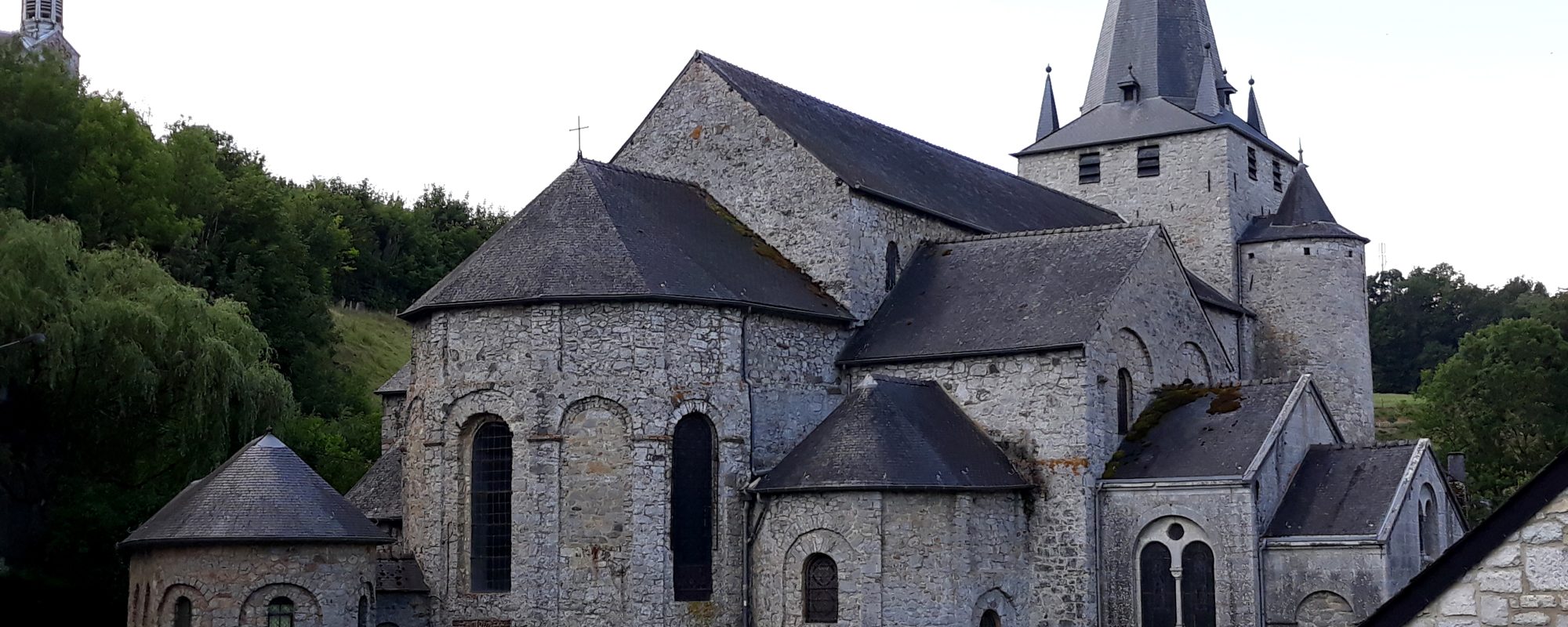
A beautiful unfinished Romanesque church, the former abbey church of a short-lived monastery.
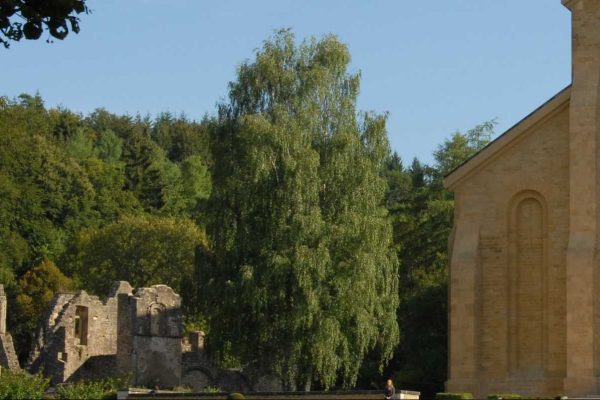
Centuries of history have enamelled the Notre-Dame d'Orval Abbey - Exceptional heritage of Wallonia (Outside the village - 13 km)
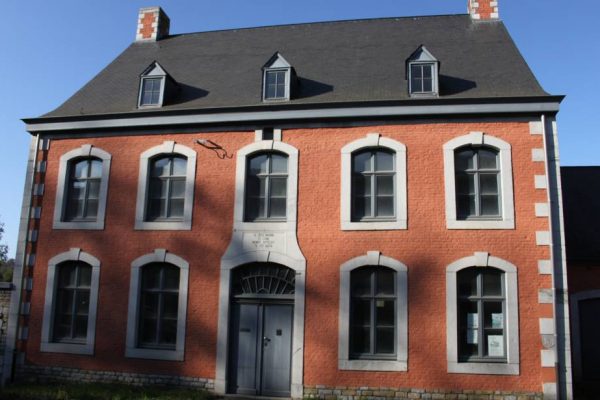
Vintage "1765", an imposing building to display power and wealth - Listed monument.
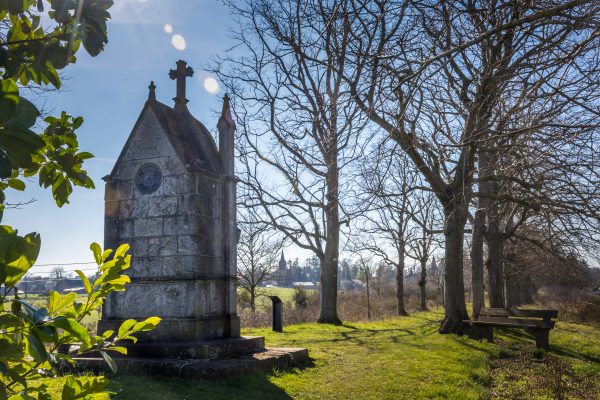
At the end of an alley punctuated by 38 lime trees was a chapel.
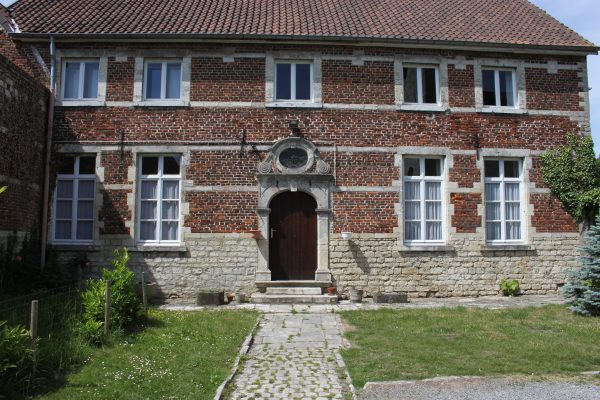
A former vicarage dating from 1729, with an elegant volume skilfully enlivened by details in Gobertange stone.

A religious building with medieval origins in the heart of the locality - Listed monument.
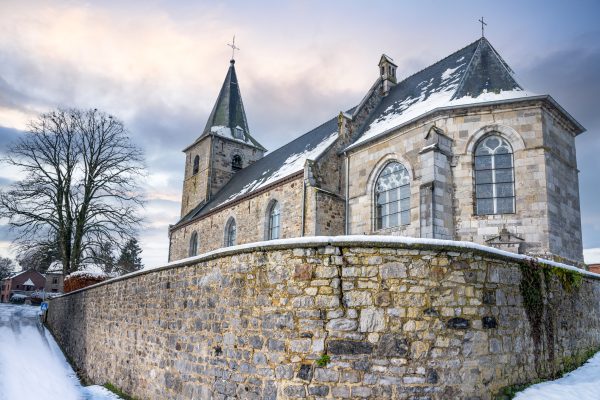
A blend of Romanesque and Gothic for this church which boasts authentic Baroque stalls similar to those in Cockayne Church in England - a listed monument.
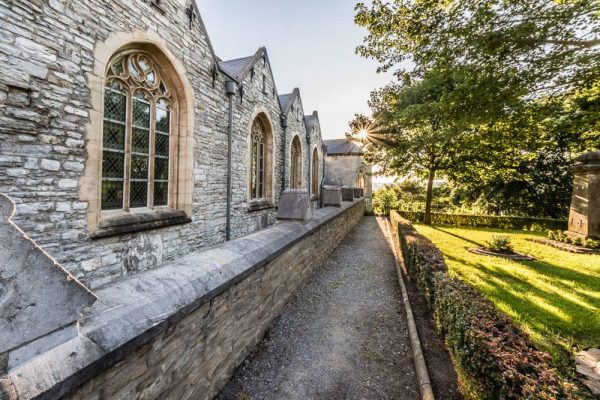
From the top of its rocky spur overlooking a meander of the Vesdre, the silhouette of Saint-Georges church looks proud and dominates the locality - listed monument - Exceptional heritage of Wallonia
The association Les Plus Beaux Villages de Wallonie (The Most Beautiful Villages of Wallonia) oversees a network of 32 villages, bearers of a strong territorial identity and reflecting traditional architecture. It is committed to promoting the rural, cultural and natural heritage of Wallonia and is a part of the development of local and responsible tourism.
More information