A pivotal part of historical community life, discover the religious heritage that unites our Beautiful Villages.
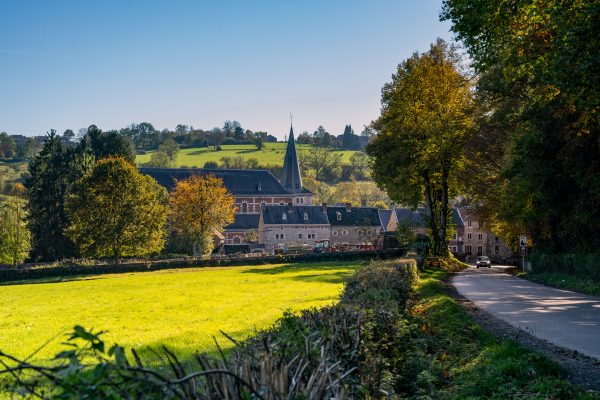
Like a tower moored to a large vessel, the imposing silhouette of the Saint-Roch church stands out in the Soiron landscape.
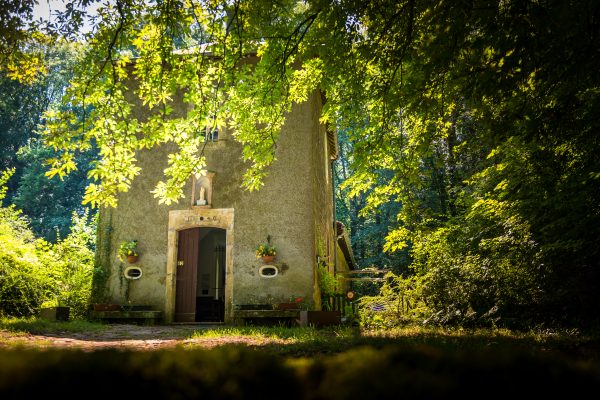
A chapel built in the aftermath of the plague epidemic of 1636 - Listed monument.

A Cistercian abbey whose origins date back to 1216 - Exceptional heritage of Wallonia (Outside the village).
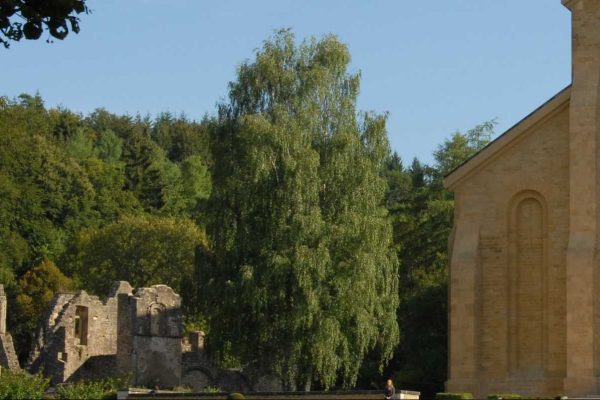
Centuries of history have enamelled the Notre-Dame d'Orval Abbey - Exceptional heritage of Wallonia (Outside the village - 13 km)

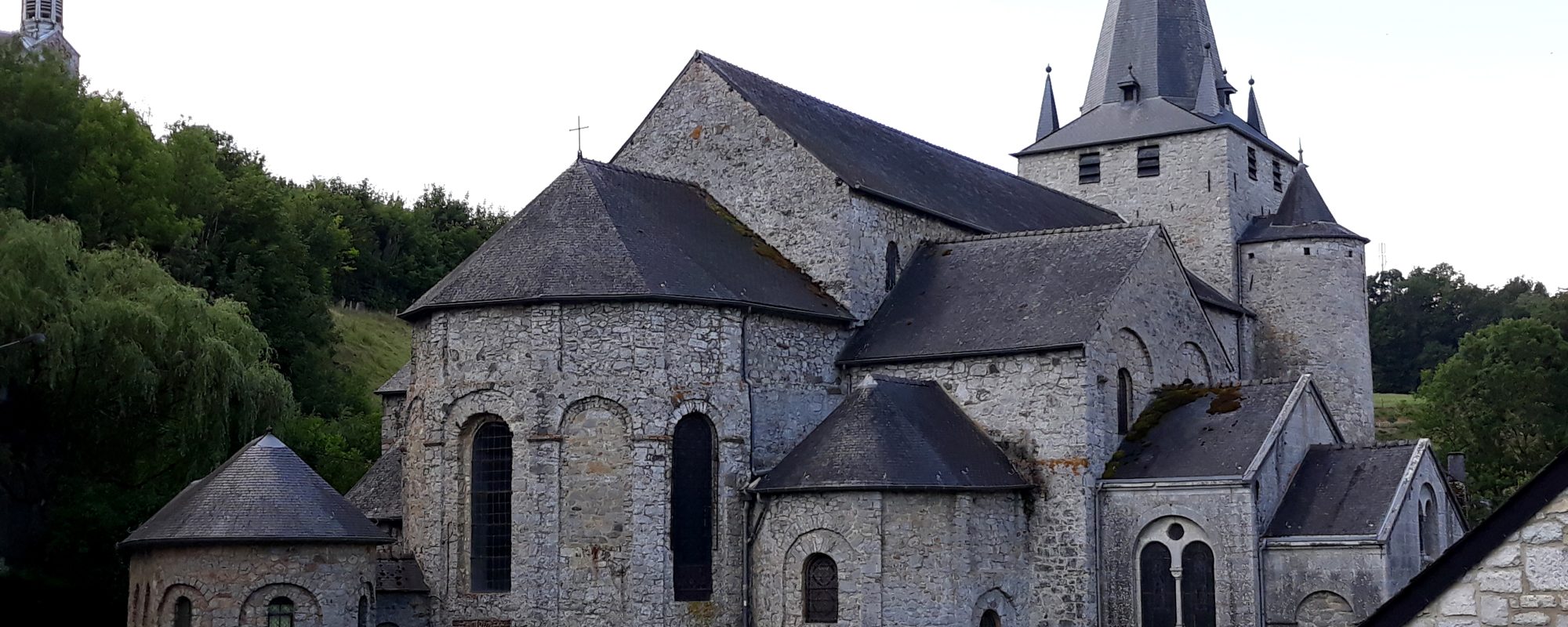
A blend of Romanesque and Gothic, the Sainte-Colombe church is the only building in the locality to have survived the centuries.
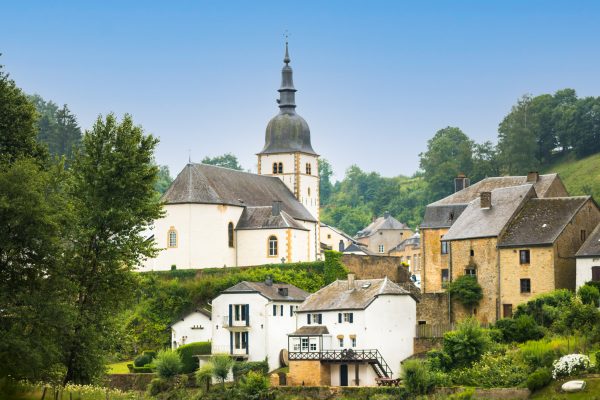
Where the waters of the Semois meet the foot of the village, the church of Saint-Martin imposes its silhouette on the landscape
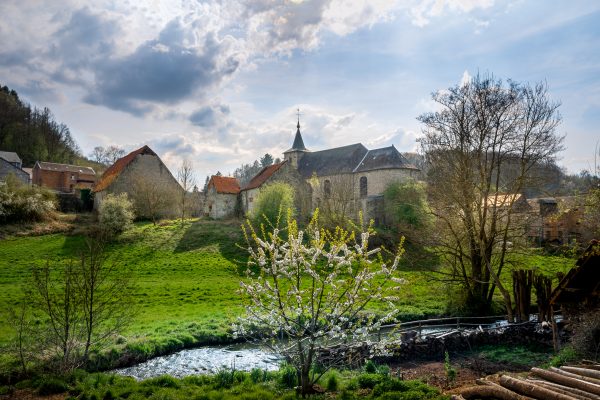
From its small promontory in the shelter of the Molignée, it watches over the village - listed monument

At the end of the Austrian period, a house from 1790 with a Mansard roof
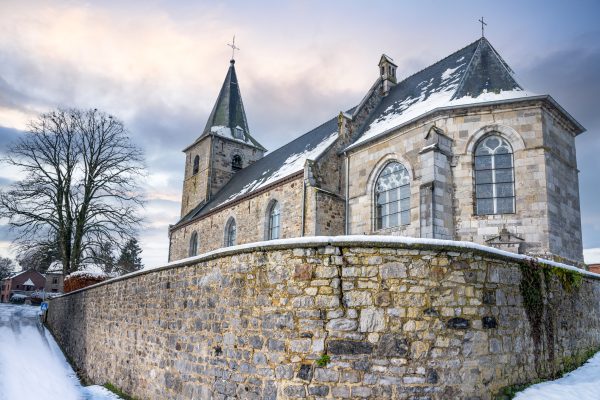
A blend of Romanesque and Gothic for this church which boasts authentic Baroque stalls similar to those in Cockayne Church in England - a listed monument.
The association Les Plus Beaux Villages de Wallonie (The Most Beautiful Villages of Wallonia) oversees a network of 32 villages, bearers of a strong territorial identity and reflecting traditional architecture. It is committed to promoting the rural, cultural and natural heritage of Wallonia and is a part of the development of local and responsible tourism.
More information