A pivotal part of historical community life, discover the religious heritage that unites our Beautiful Villages.
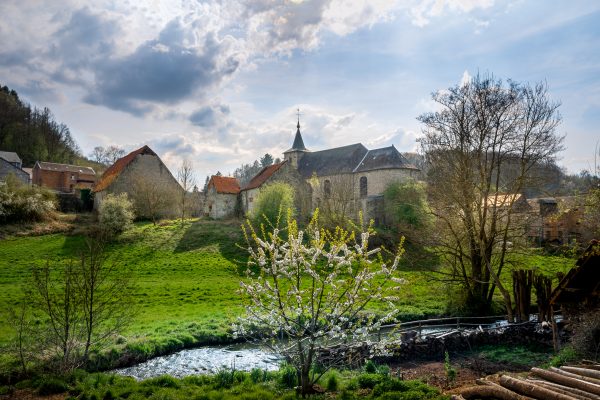
From its small promontory in the shelter of the Molignée, it watches over the village - listed monument
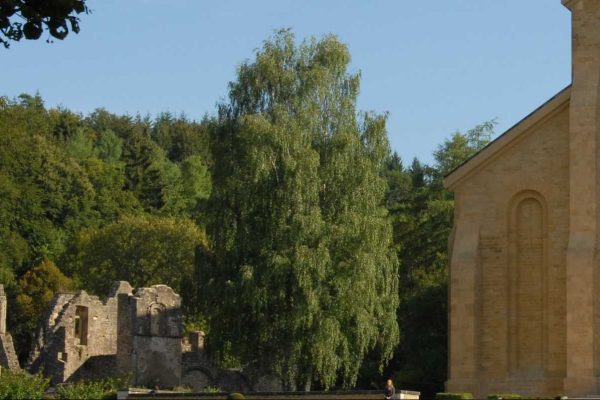
Centuries of history have enamelled the Notre-Dame d'Orval Abbey - Exceptional heritage of Wallonia (Outside the village - 13 km)
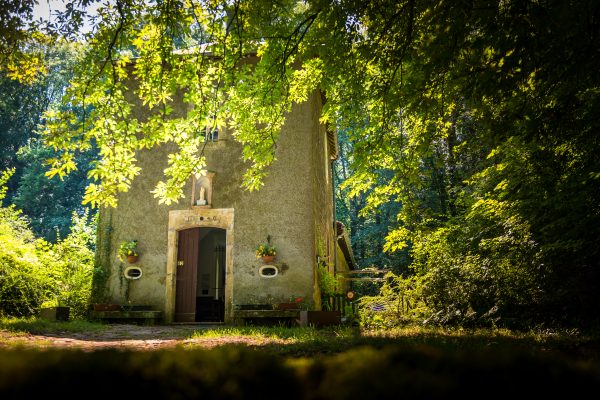
A chapel built in the aftermath of the plague epidemic of 1636 - Listed monument.
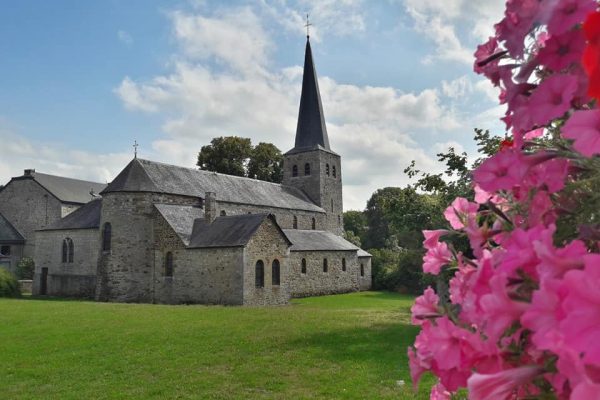
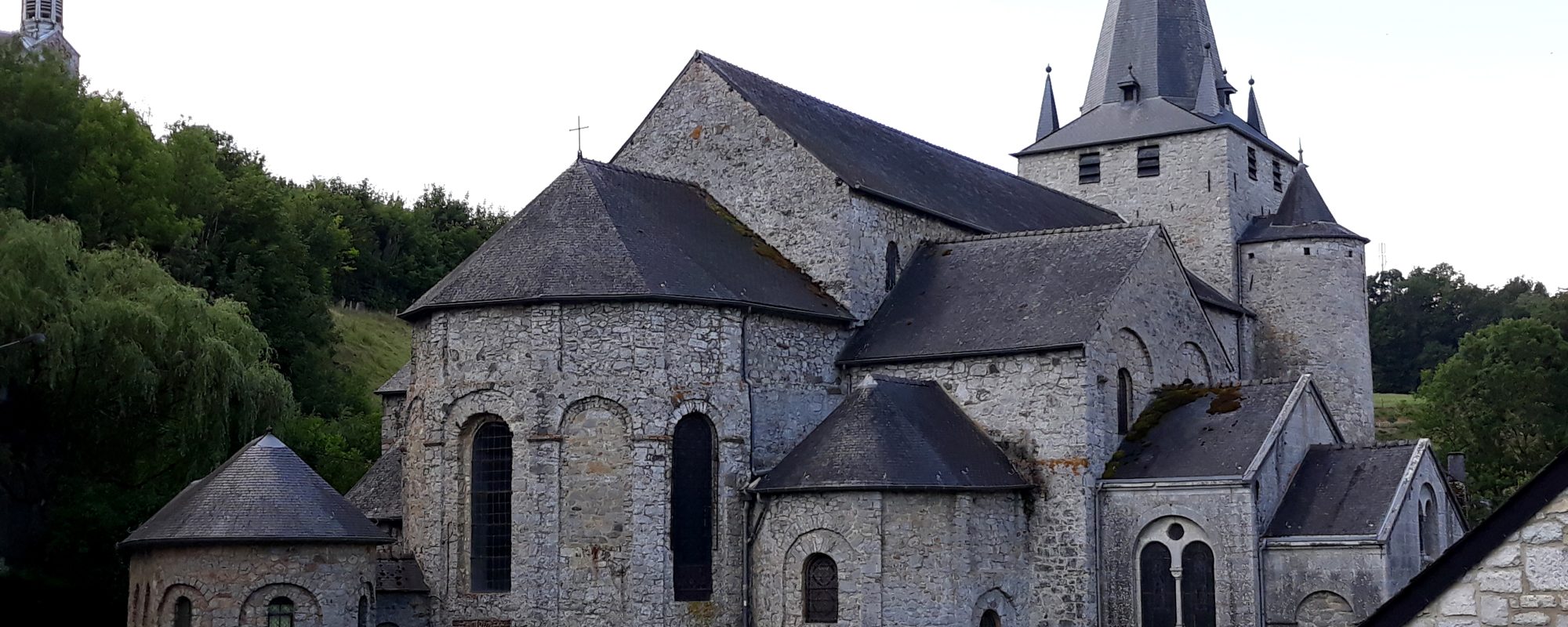
This 11th century Romanesque church, which has undergone major alterations over the years, is built of limestone, iron sandstone and pudding stone in the grounds of the former cemetery.

In the enclosure formed by the church and the cemetery, this well-to-do residence stands out in the village thanks to its dominant position, its classical style and the perfect symmetry of its façade.
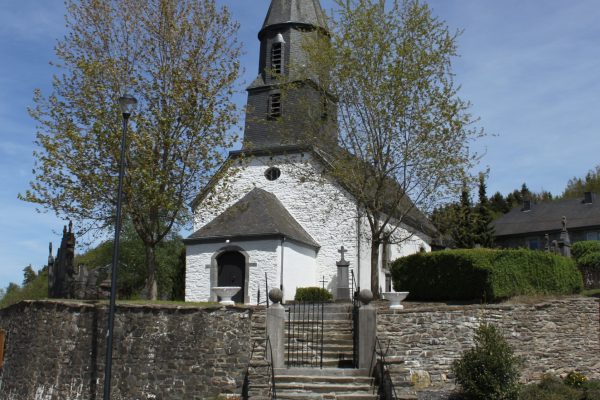
Characteristic of a secular model, and set on the large walled base of the cemetery, the Saint-Laurent church has dominated the village since 1820 - Listed monument
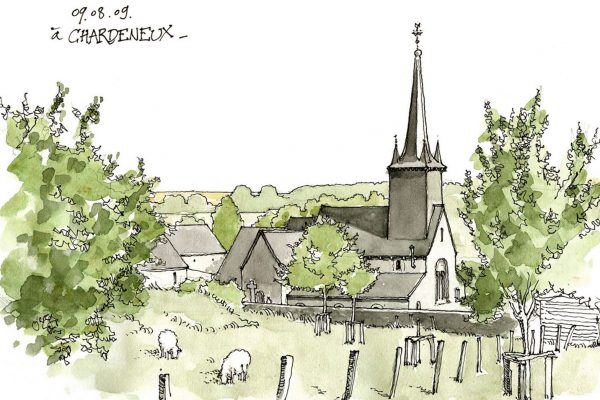
From its square, open to the landscape, the traditional buildings of the village flow out - Listed monument.
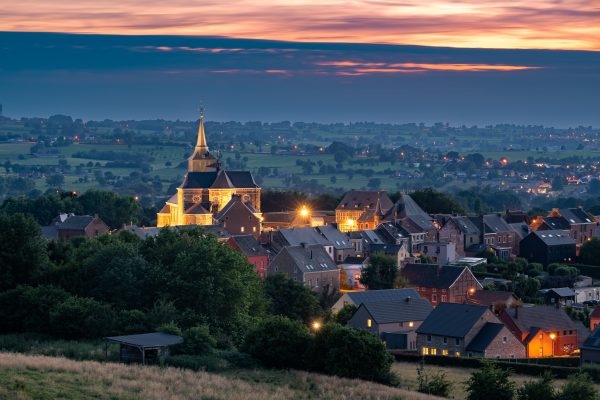
With its back to the Place de la Halle, the silhouette of Saint-Jacques-le-Majeur church dominates the town and the countryside below
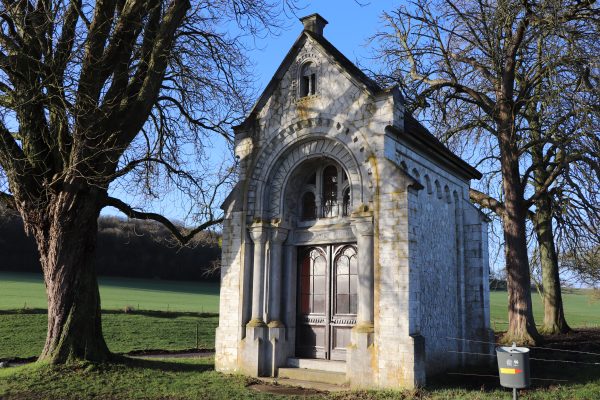
'Neo-Roman' chapel bordering the south-eastern entrance to the village of Falaën.
The association Les Plus Beaux Villages de Wallonie (The Most Beautiful Villages of Wallonia) oversees a network of 32 villages, bearers of a strong territorial identity and reflecting traditional architecture. It is committed to promoting the rural, cultural and natural heritage of Wallonia and is a part of the development of local and responsible tourism.
More information