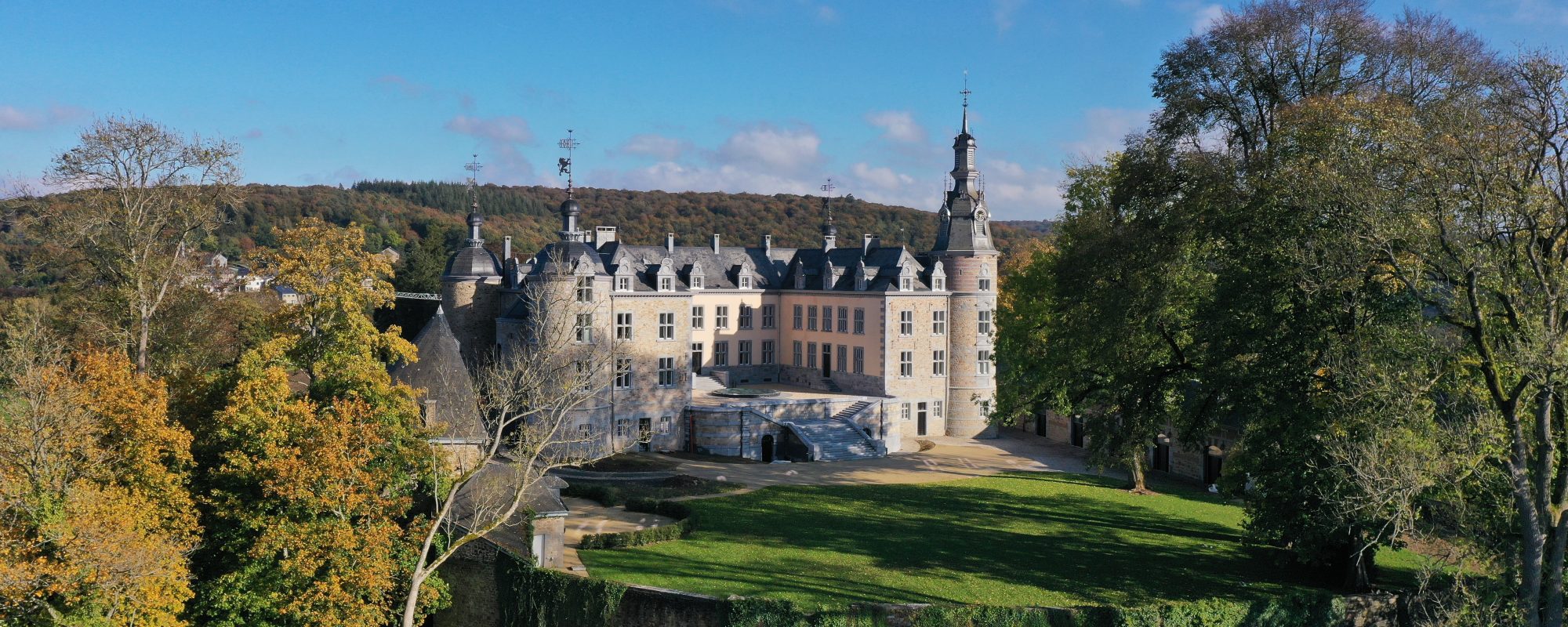
Our villages vary between rural heritage, classified monuments and remarkable sites. Whether castles, farms, churches or abbeys, traditional buildings, rural or natural heritage, discover the must-see Most Beautiful Villages of Wallonia!

In the enclosure formed by the church and the cemetery, this well-to-do residence stands out in the village thanks to its dominant position, its classical style and the perfect symmetry of its façade.
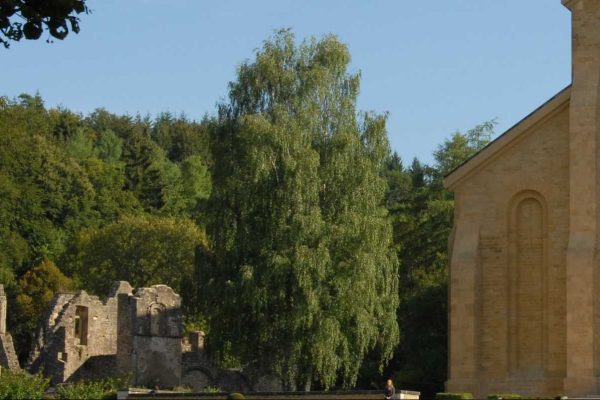
Centuries of history have enamelled the Notre-Dame d'Orval Abbey - Exceptional heritage of Wallonia (Outside the village - 13 km)
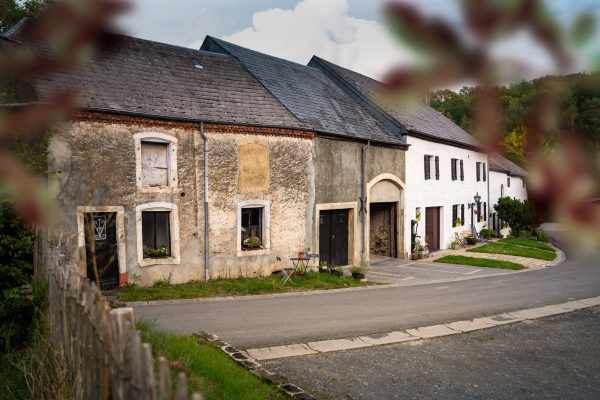
Characteristic of Lorraine's villages, the usoirs give the village typology a very special character.
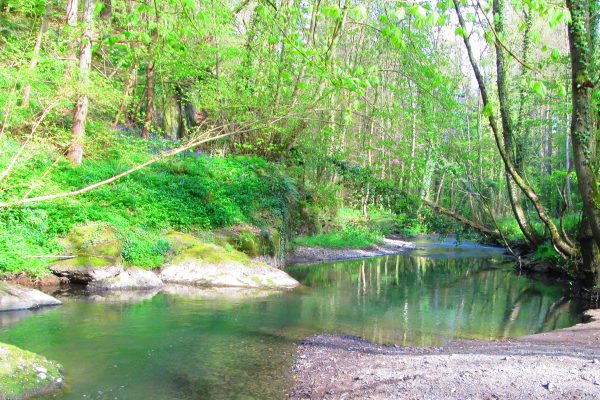
Honnelles: one commune and two rivers
Nestling in the heart of the magnificent Pays de Herve region, Olne is an ideal destination for those looking to get away from it all in an authentic and peaceful setting.

The romantic remains of a 14th century count's residence - Exceptional heritage of Wallonia (Outside the village - 2 km).
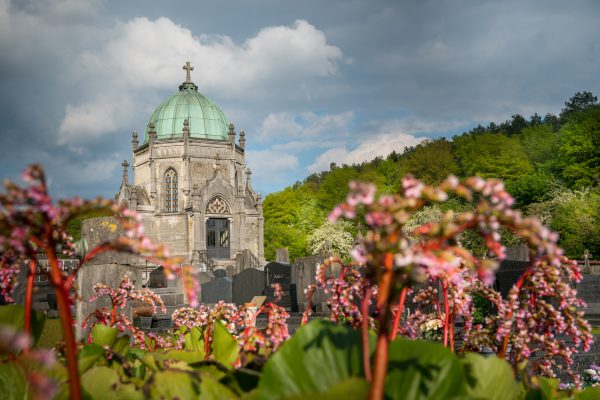
A marked volume covered by a copper dome, a place of choice for a final resting place in the cemetery of Vierves-sur-Viroin.
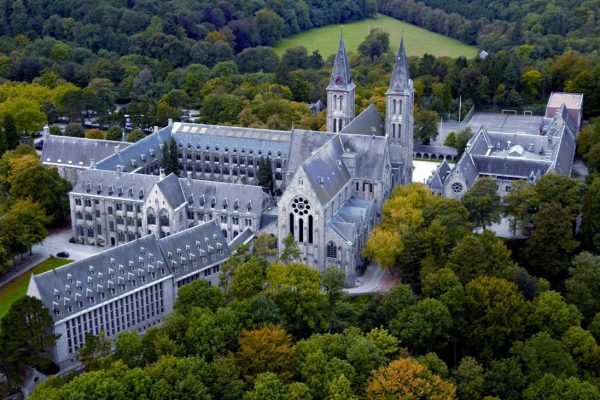
A prestigious monastery from which emanates plenitude, tranquillity and absoluteness. An architectural ensemble of great beauty to which one cannot remain indifferent... (Outside the village - 3 km).
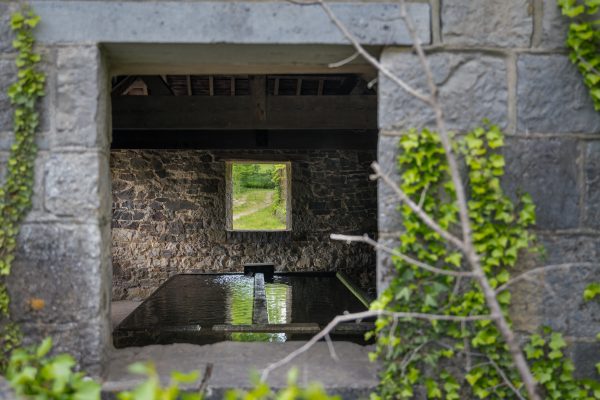
Witnesses of domestic life in the past, the washhouses illustrate the functions linked to water in rural life in the past.
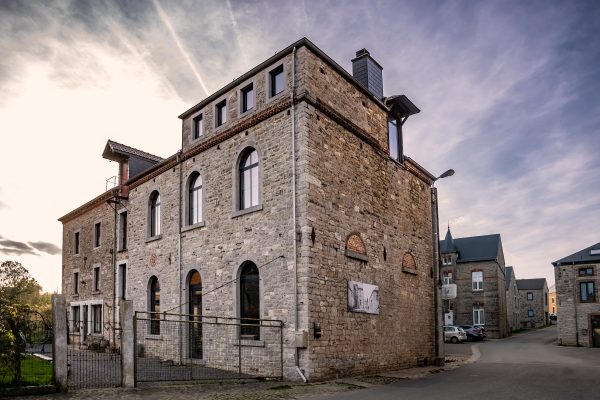
A brewery that used to be supplied with water by the Brou, a small, partly arched stream that flowed nearby.
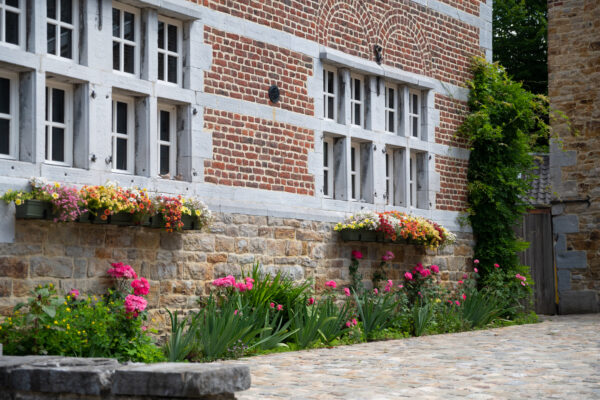
La Place de la Halle de Clermont-sur-Berwinne est souvent présentée comme un ensemble architectural homogène qui permet de retrouver les différents styles qui se sont succédés dans nos régions.
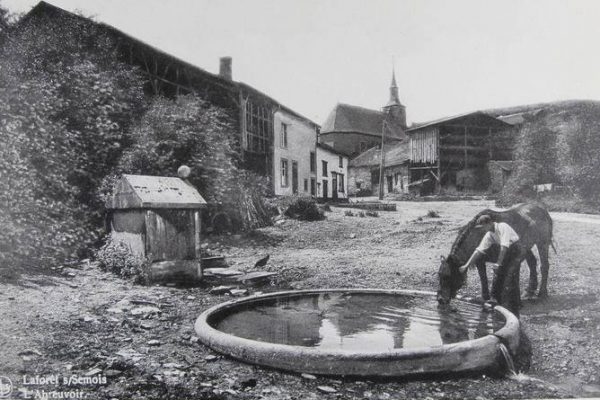
Witnesses to domestic life in the past, the washhouses and drinking troughs illustrate the functions linked to water in rural life in the past.
The association Les Plus Beaux Villages de Wallonie (The Most Beautiful Villages of Wallonia) oversees a network of 32 villages, bearers of a strong territorial identity and reflecting traditional architecture. It is committed to promoting the rural, cultural and natural heritage of Wallonia and is a part of the development of local and responsible tourism.
More information