Association
MBVW
House
of Urbanism
Logo Plus Beaux Villages de Wallonie
See the map
Logo Plus Beaux Villages de Wallonie

4 villages

Presentation

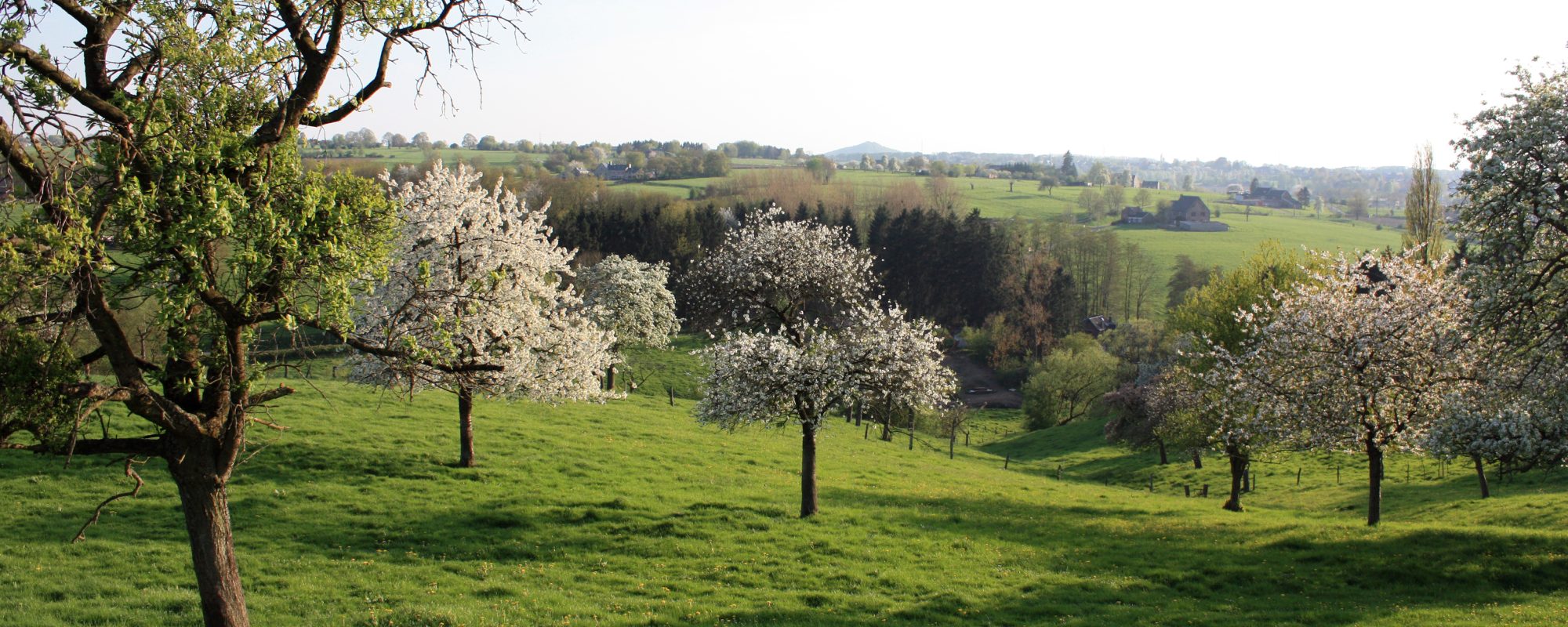
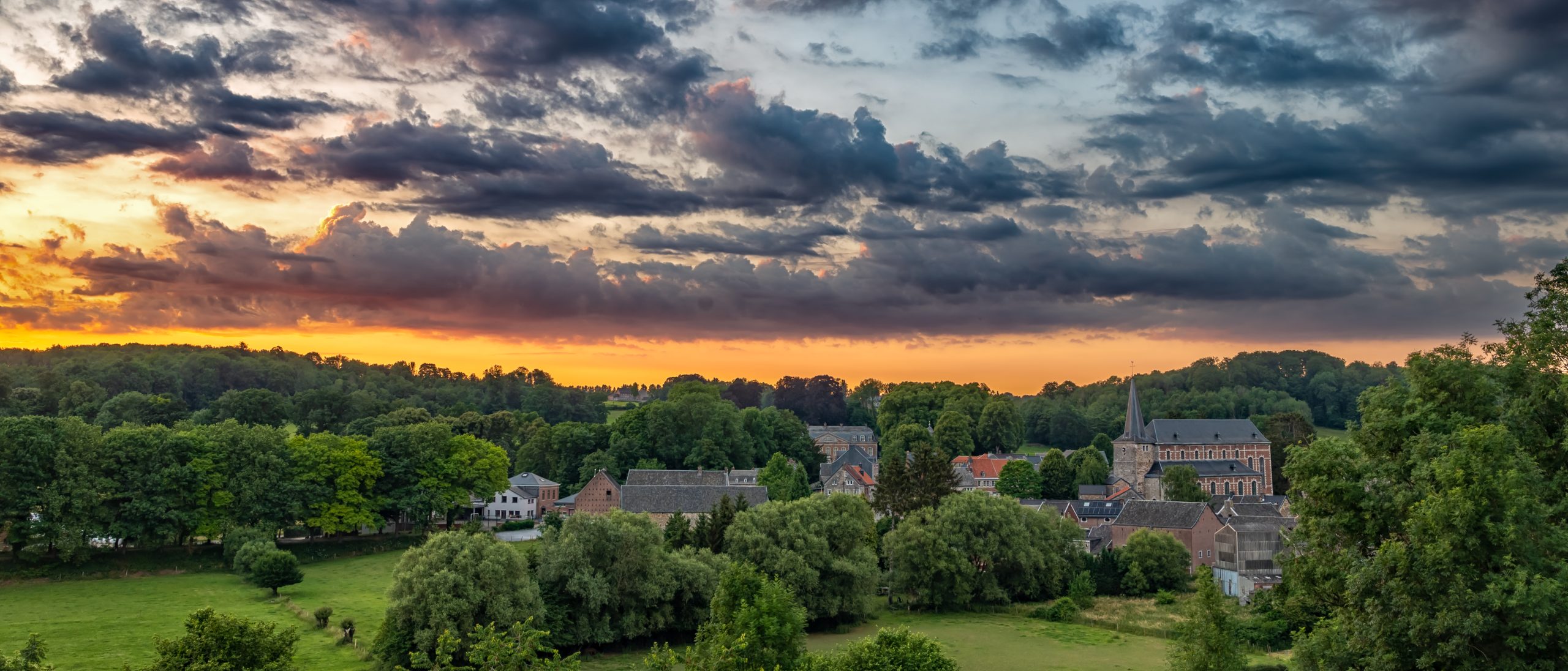
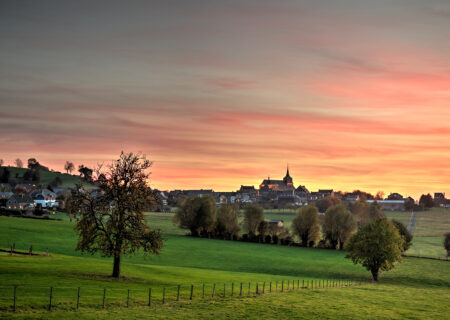
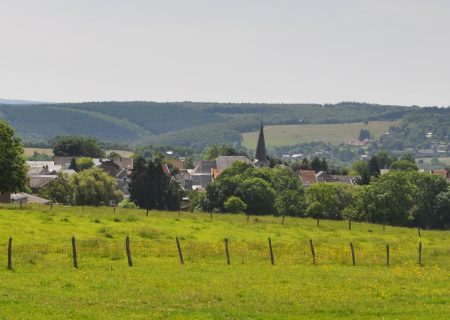
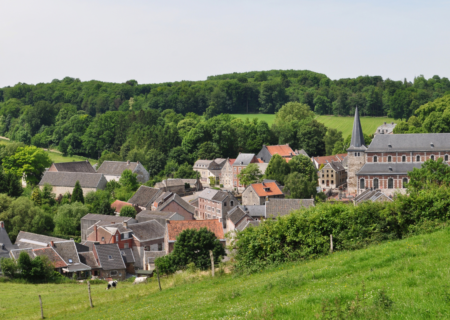
The Pays de Herve extends east of the Meuse, beyond Liège, to the banks of the Vesdre. Several rivers have shaped this landscape structure into a succession of plateaus and depressions with humid soils. The subsoil, composed of compact and impermeable clay deposits, is the source of these waterlogged soils, which are more suitable for pasture than crops.

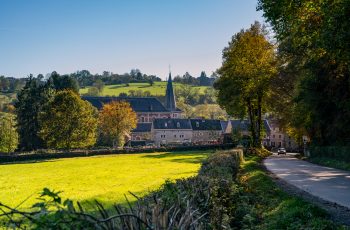
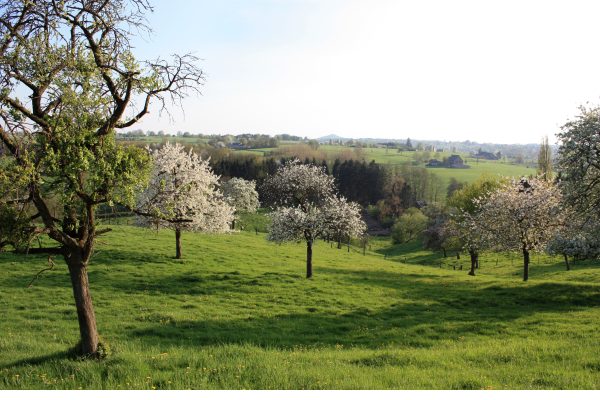
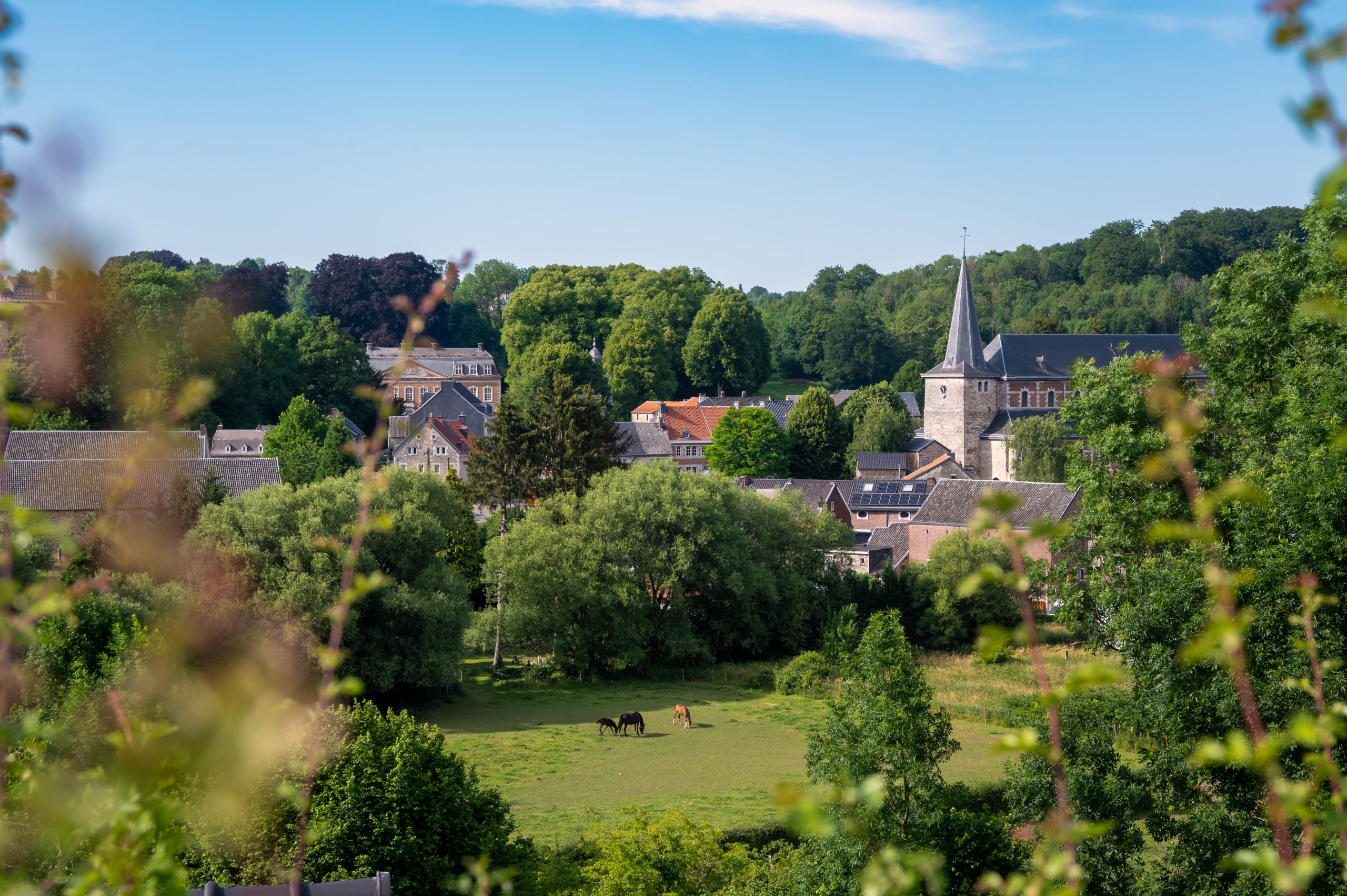
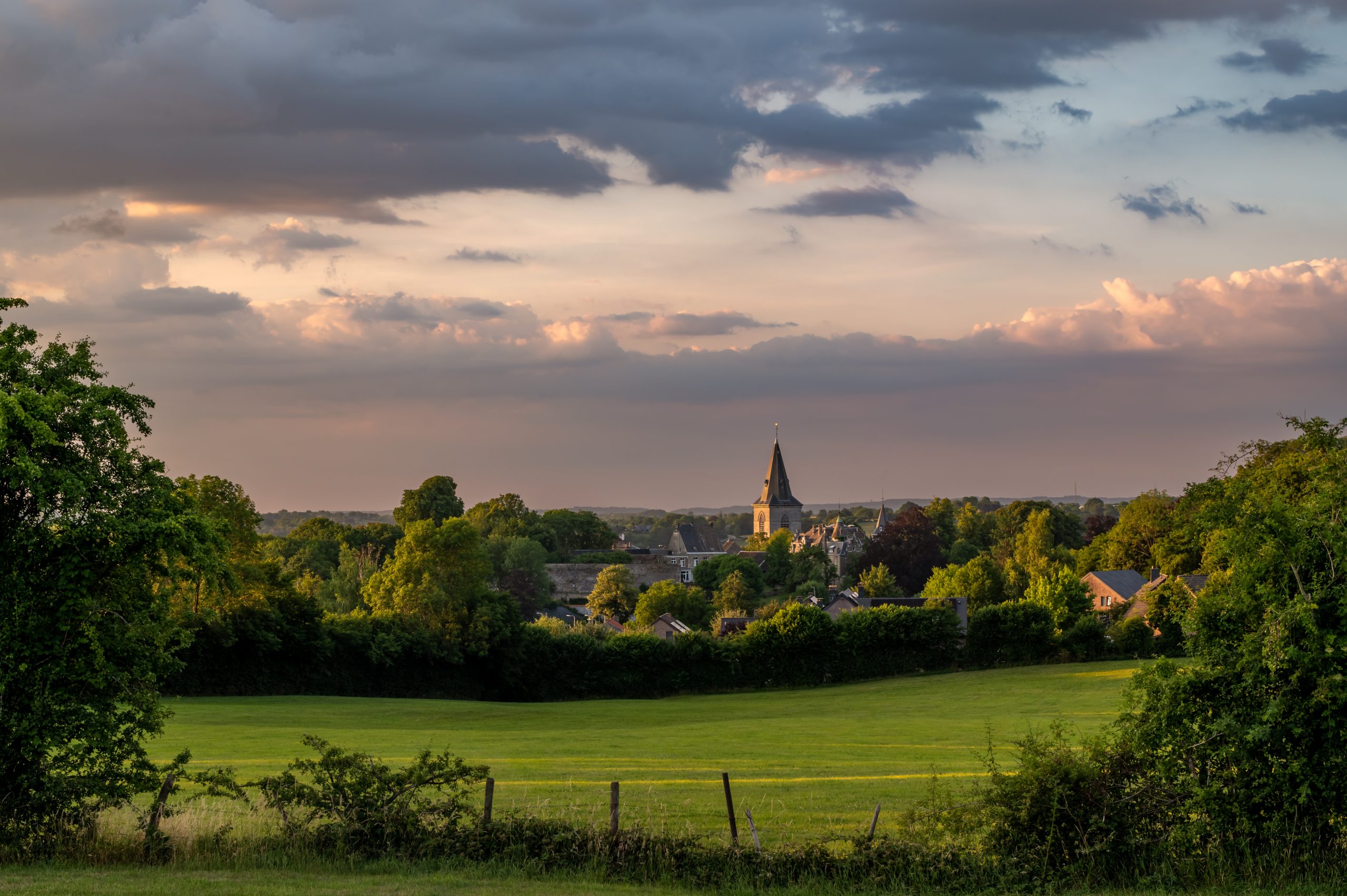
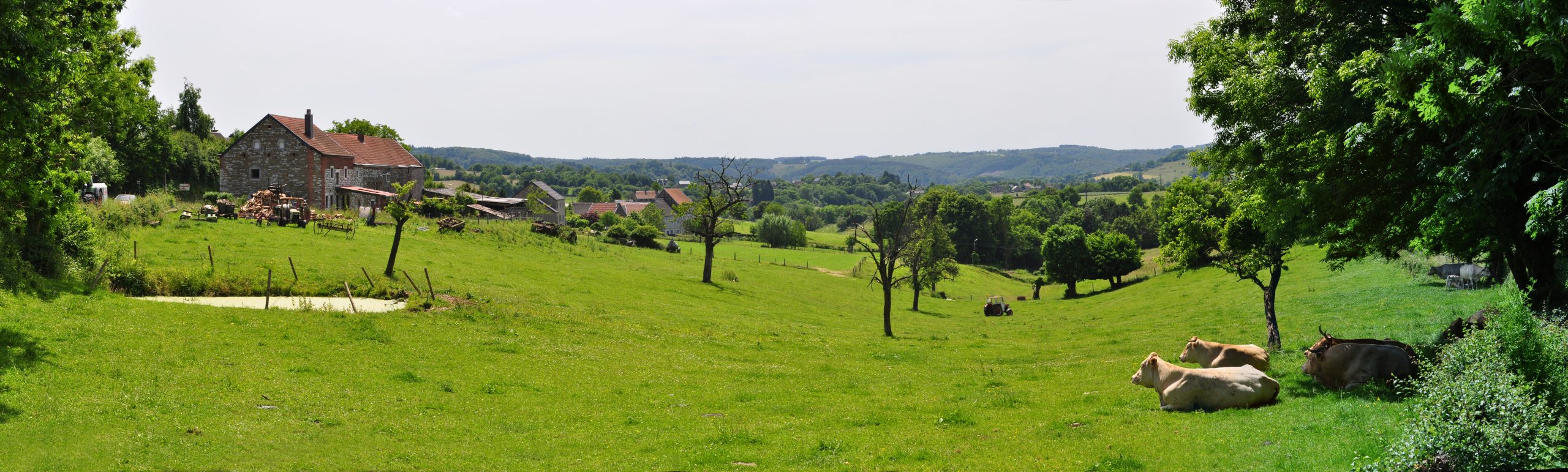
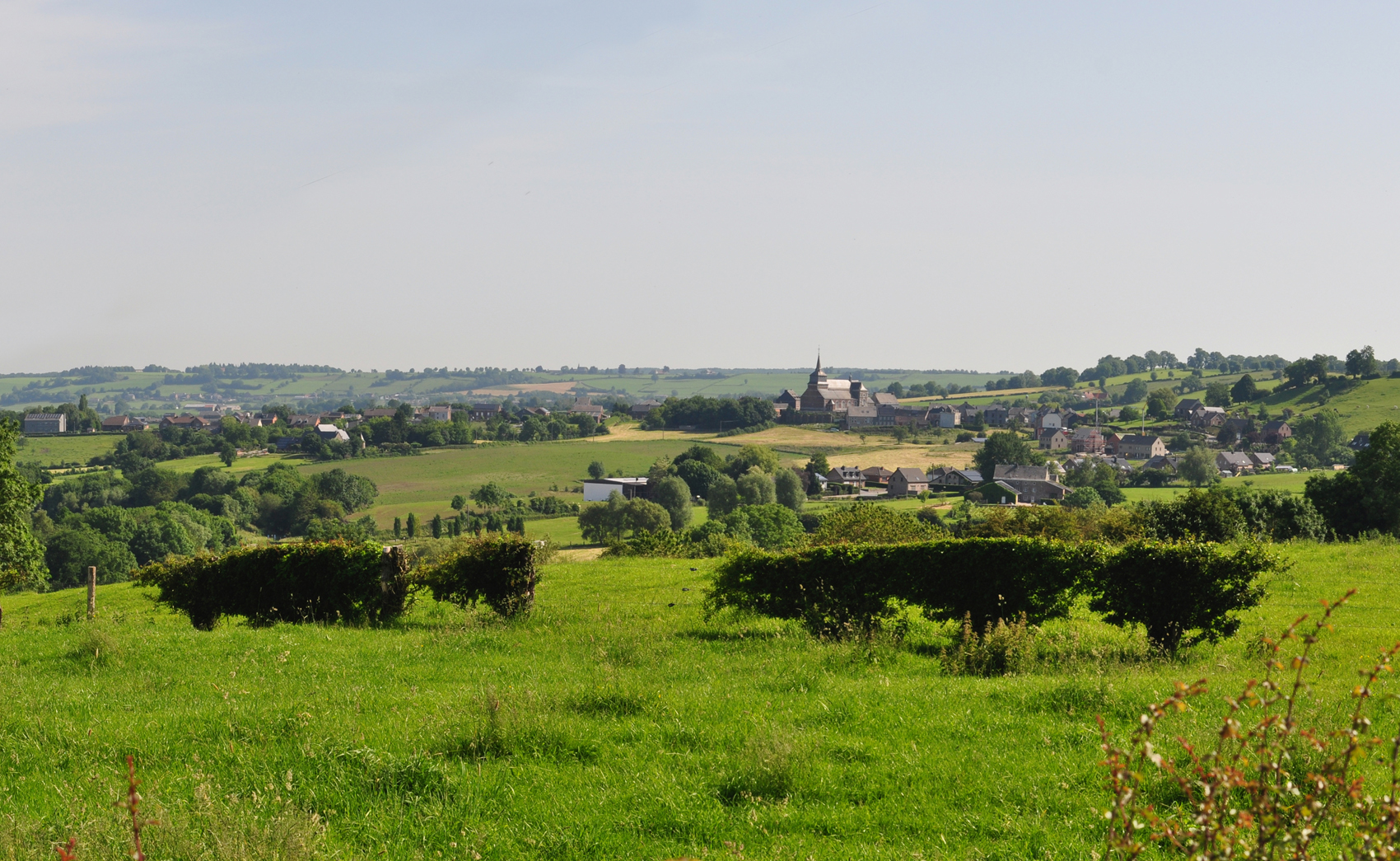
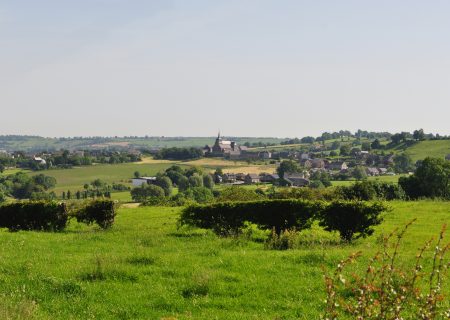
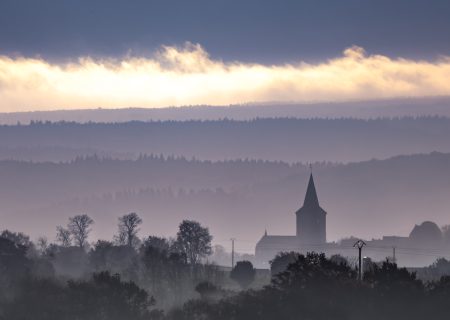
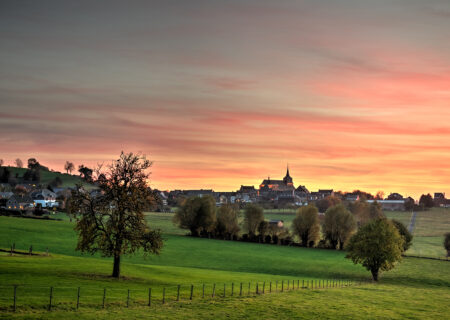
From the peaks, the view is lost in a wide green panorama where the hedges surrounding the meadows and the isolated farms constitute the main force lines of the landscape. This green network so characteristic of the Pays de Herve reveals a bocage landscape.

Natural heritage

The region of the Pays de Herve extends to the south of the Meuse, beyond Liège, and stops at the edge of the Vesdre river. Several waterways have shaped the region’s landscape into a succession of plateaus and depressions at the bottom of the wetlands. In terms of composition, the subsoil is composed of compact and impermeable clay deposits. From the peaks of the landscape, you can observe a green panorama, where the hedges surrounding the meadows and isolated farms constitute the main force lines of the landscape.

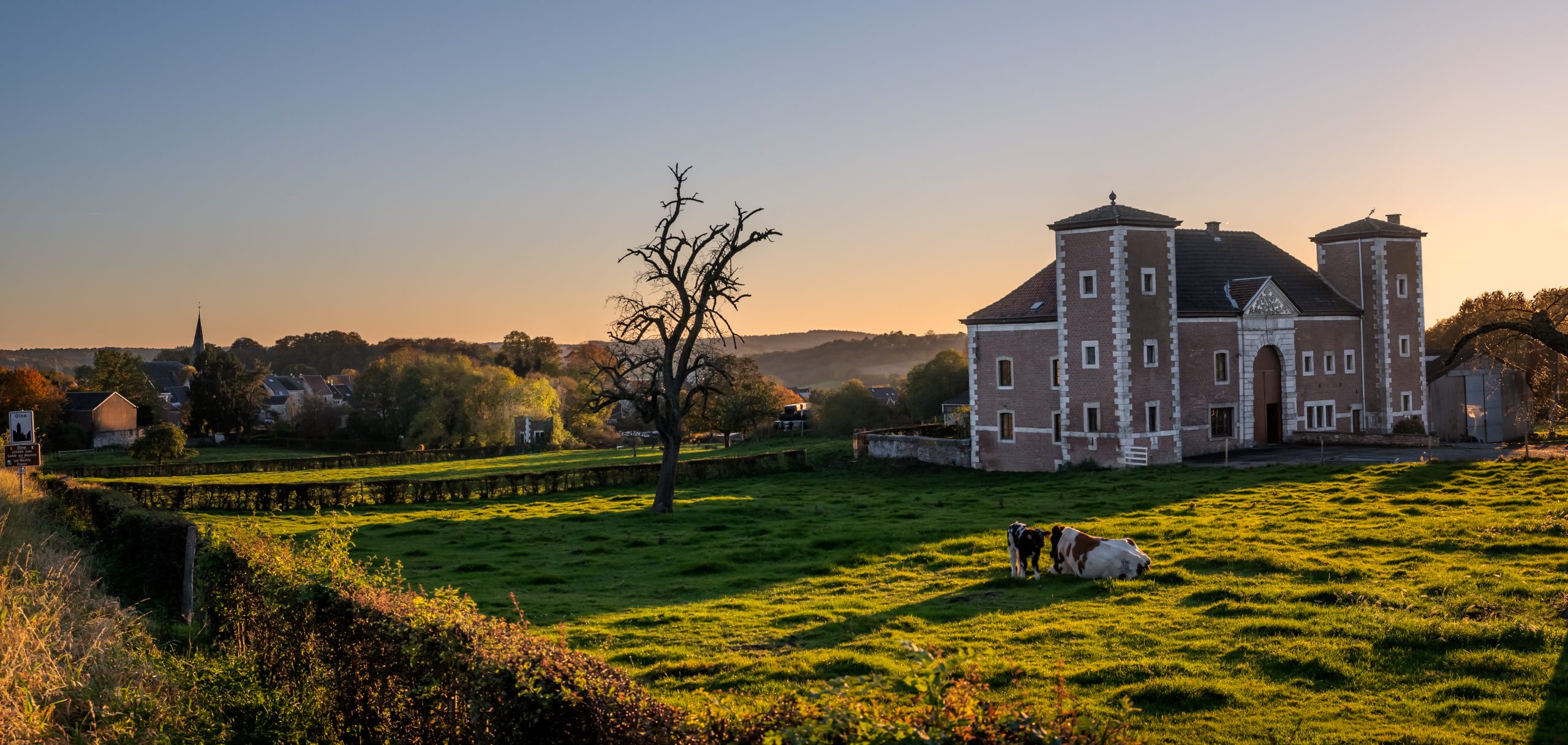
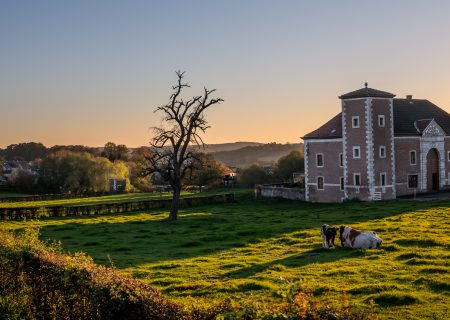
The mesh of green that the hedges create is one of Pays de Herve’s great characteristics and reveals what is called a bocage landscape. It is a closed landscape, dominated by meadows fenced with hedgerows. Old high-trunk orchards punctuate the meadows and are concentrated around the built-up spaces. Beyond the village centre, the habitat radiates in the landscape and dissolves into small, isolated farms without apparent order. The frequency of care required by the livestock and the multitude of water points explain this dispersion of the dwellings so typical of the Pays de Herve. Roads and paths create a network of cobweb-like roads to connect the farms to the village and to the larger traffic roadways. Like nowhere else in Wallonia, the Pays de Herve is the very example of a bocage landscape. Unfortunately, today this character of the Pays de Herve is in the process of being spoilt.

From crops to livestock, the birth of the Herve landscape

Two fundamental factors have transformed the face of the Pays de Herve and precipitated the conversion to livestock farming as well as the decrease in crops. Firstly, Charles V, the Catholic, who in the 16th century took strategic and economic measures prohibiting the inhabitants of the Pays de Herve from exporting grain to the Protestant countries of the north. Then, the “tithe”, the tax collected by the church on agricultural income, was not levied on products from the meadows, unlike cereal production. This shift in the rural economy from crops to livestock farming led to an increase in the construction of farms. Hedges closed off the meadows and created a crop checkerboard on a landscape scale to contain the livestock. Finally, from the 17th century, fruit trees appeared in the bocage and participated in the landscape identity of the Pays de Herve.

Heritage buildings

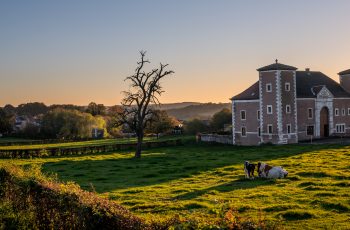
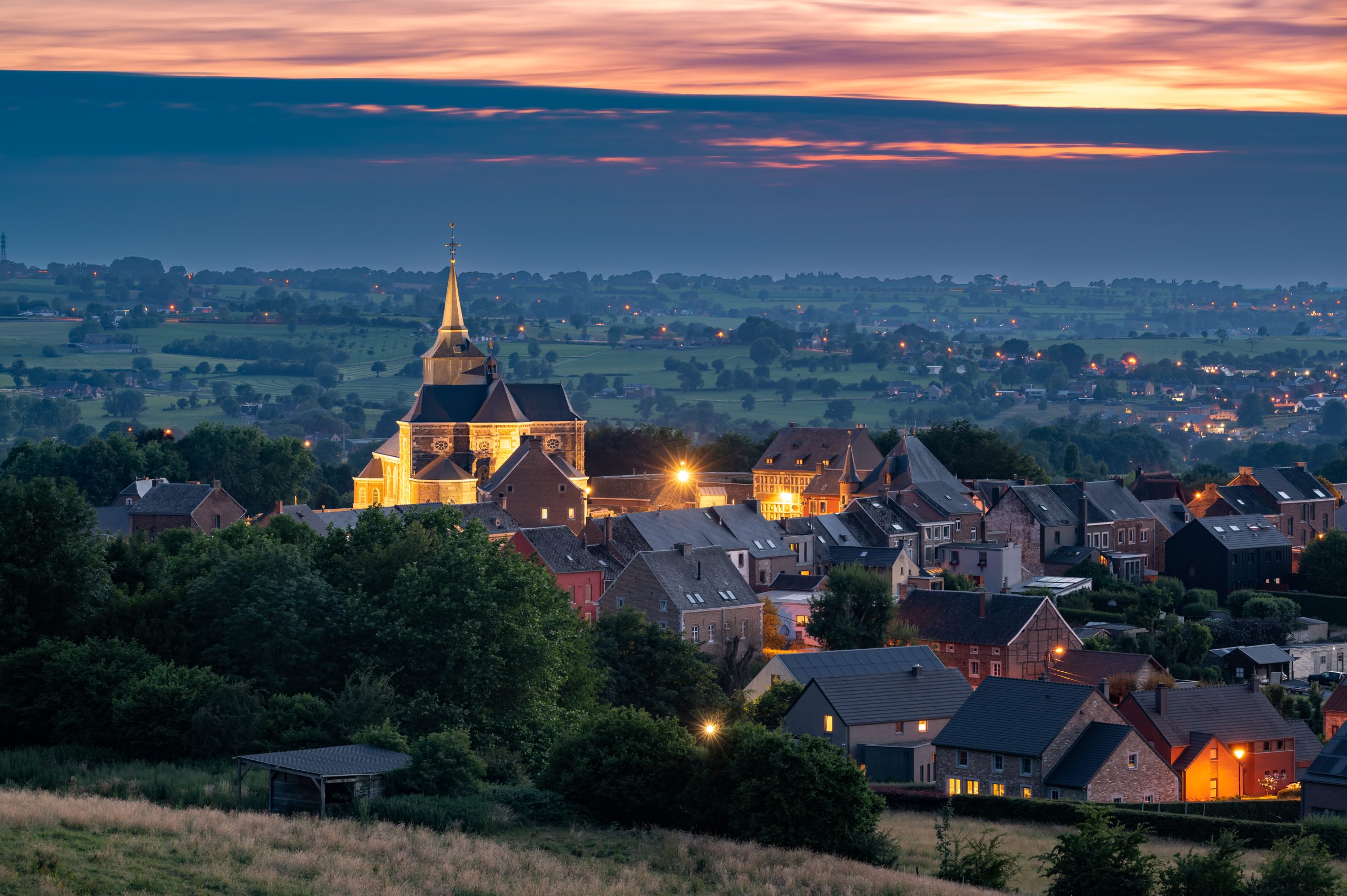
The houses typical of the Pays de Herve have very varied forms, depending on the size of the farm and the diversity of activities. They can be characterised as follows: rectangular, with a simple but imposing volume, where the main building and stables are joined under the same roof, generally on two full levels, or even two and a half levels, with a sloping roof. Frequently, there are outbuildings added to or parallel to the main building, thus leading to an open or closed courtyard space to the road.

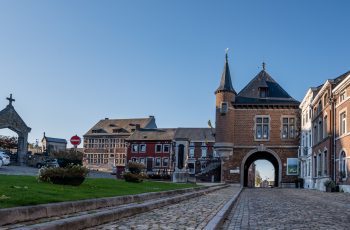
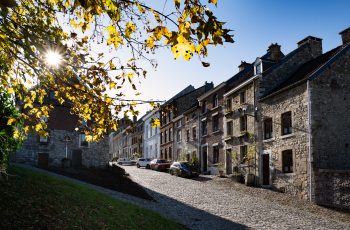
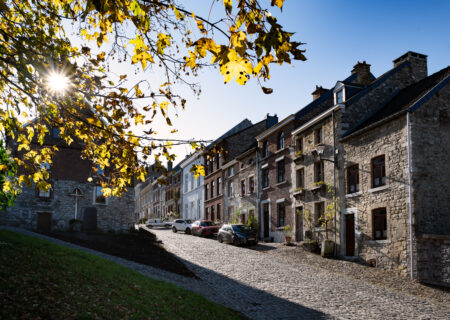
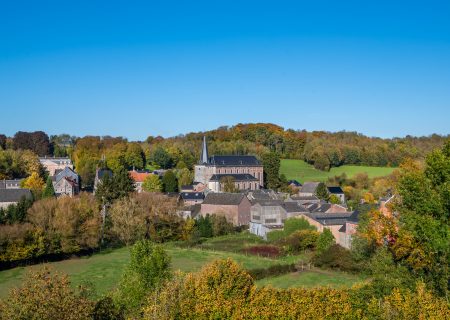
Unlike the farms scattered across the landscape, the houses of the village centres are established in tight proximity along the streets. The composition and arrangement of their façades give a more urban appearance. In terms of architecture, the buildings of Herve use contrasts and materials: the roofs are made of anthracite grey slate or grey and orange-red tiles, the masonry is made of reddish-brown bricks or beige sandstone, the timber framing is filled in with cob or brick, and finally, the frames and bands of light grey limestone are punctuated by some white plasterwork. All of its natural materials contribute to the architectural brilliance of the Pays de Herve.
Walks

  • My

My : Petite pépite de la Famenne liégeoise

Totemus

C’est en longeant une splendide drève plantée de platanes centenaires que le paisible village de My, un des Plus Beaux Villages de Wallonie, se dessine.
  • Limbourg

Limbourg : A l'assaut des campagnes limbourgeoises

Totemus

Nature intacte et patrimoine exceptionnel sont au rendez-vous à Limbourg, un des Plus Beaux Villages de Wallonie ! Partez à la découverte de l’ancienne place forte médiévale conservée dans son écrin.
  • Soiron

Soiron : Destination patrimoine en Pays de Herve

Totemus

Refuge verdoyant de bosquets et de vergers, labellisé parmi les Plus Beaux Villages de Wallonie, Soiron est discret mais ne se laisse pas oublier pour autant. Point de noms de rues pour vous guider

  • Clermont-sur-Berwinne
  • Limbourg
  • Olne
  • Soiron

Boucle vélo 5: Savourez la splendeur des bocages du Pays de Herve

Cycling tour

Quatre Beaux Villages seront au rendez-vous de cette escapade aux Pays de Herve et de Vesdre : Clermont-sur-Berwinne, Olne, Soiron et Limbourg !

  • Olne

Olne - Entre bocages et traditions

Totemus

Planté au milieu des vergers et du bocage, Olne, un des Plus Beaux Villages de Wallonie, vous donne rendez-vous avec l’histoire et la nature ! Partez à la découverte du patrimoine bâti de cette petite

  • Clermont-sur-Berwinne

Clermont-sur-Berwinne: in the heart of the Pays de Herve

Short walks

Dear visitors, as you look out over Clermont from its 17th-century church, don't you get dizzy at the sight of all those pretty weather vanes in the sky?

  • Olne
Paysage de bocage à Olne

Olne: the peaks by Vaux & the Bois d'Olne

Long hikes

A hike that takes you to new heights. From the Bois d'Olne ridge, you can admire a superb panorama of the village. As well as the edge of the Ardennes region.

  • Clermont-sur-Berwinne
Paysage de bocage à ClermontOlne

Clermont-sur-Berwinne: Berwinne hillsides & springs

Long hikes

In Clermont, you can plunge into the unique landscape of the Pays de Herve with both feet.

  • Limbourg

Limbourg: from the Place Forte to the Nez de Napoleon

Long hikes

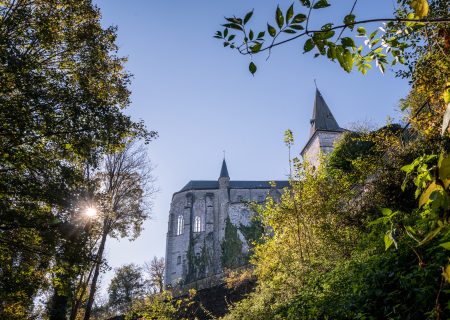
From its rocky promontory, the capital of the former Duchy of Limbourg, the former stronghold of Limbourg, overlooks the narrow meander of the Vesdre.

  • Soiron

Soiron: a green cauldron of bocage

Long hikes

An undulating refuge of grassland and orchards sprinkled with hedgerows, Soiron sits in the cosy nest of a valley shaped by the clear waters of the Bola.

  • Limbourg

Limbourg: unspoilt nature, and an exceptional heritage

Short walks

The former capital of the former Duchy of Limbourg, Limbourg is unique because of its strategic position on the banks of the Vesdre, between the Herve bocage and the Ardennes massif.

  • Olne

Olne: a gourmet destination

Short walks

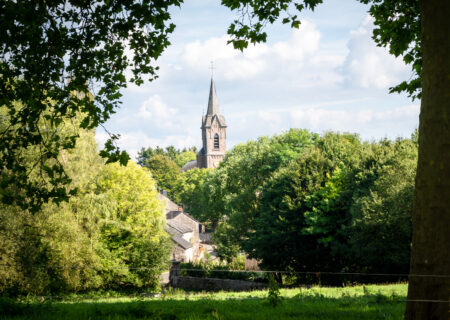
In the depths of a landscape combining the gentleness of the Pays de Herve with the diversity of the Ardennes mountains, only the slate-coloured spire of the church betrays the presence of Olne!

  • Soiron

Soiron: in the land of thistles

Short walks

A green refuge of groves, orchards and grasslands in the hollow of a valley watered by the clear waters of the Bola, Soiron is discreet but not forgotten.

  • Clermont-sur-Berwinne
  • Limbourg
  • Olne
  • Soiron
Clermont-sur-Berwinne

Unusual tour: In the heart of the Pays de Herve and Vesdre

Itineraries

As you travel through the Pays de Herve and Vesdre, explore the landscapes and the remarkable built heritage of the region's 4 beautiful villages.

Maison du Tourisme du Pays de Herve
Place de la Gare 1, 4650 Herve
Tél. : +32 (0) 87 69 31 70
Site web

Prolongez aussi votre visite en Wallonie sur VISITWALLONIA.BE

The shop of the most beautiful villages

The association Les Plus Beaux Villages de Wallonie (The Most Beautiful Villages of Wallonia) oversees a network of 32 villages, bearers of a strong territorial identity and reflecting traditional architecture. It is committed to promoting the rural, cultural and natural heritage of Wallonia and is a part of the development of local and responsible tourism.

More information

Subscribe to the newsletter of the Most Beautiful Villages in Wallonia