Our villages vary between rural heritage, classified monuments and remarkable sites. Whether castles, farms, churches or abbeys, traditional buildings, rural or natural heritage, discover the must-see Most Beautiful Villages of Wallonia!
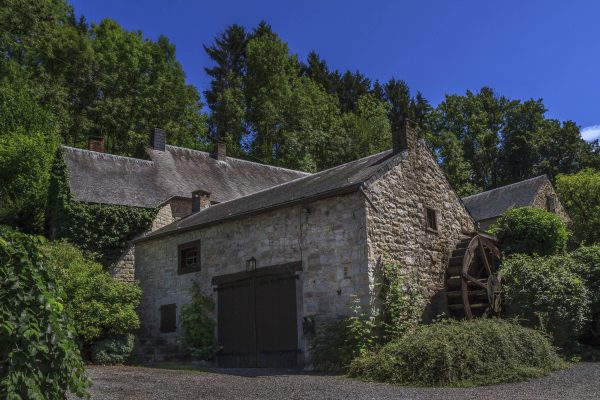
The banks of the streams in Crupet bear witness to the presence of numerous mills in the past.
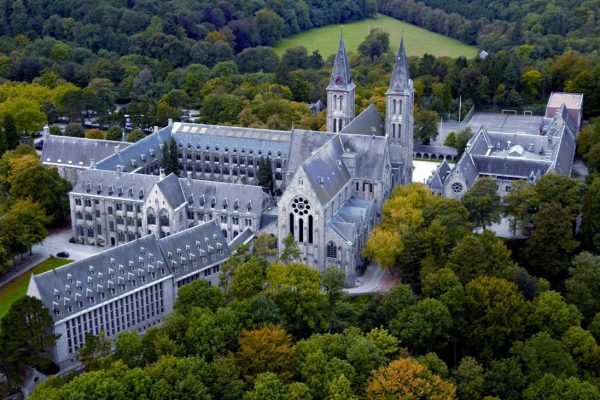
A prestigious monastery from which emanates plenitude, tranquillity and absoluteness. An architectural ensemble of great beauty to which one cannot remain indifferent... (Outside the village - 3 km).
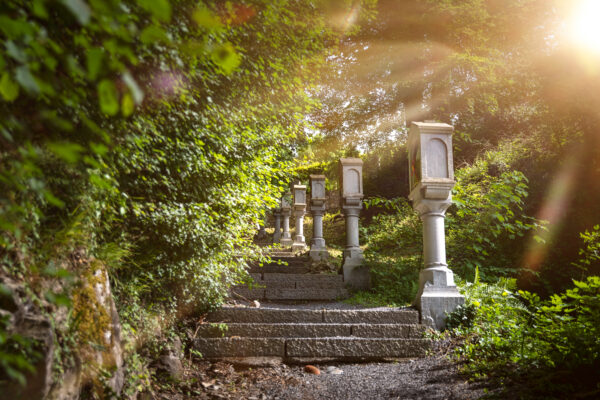
Au départ de la place de l'église, un circuit d'interprétation d'1,5km tracé autour de Celles suggère aux visiteurs d'arpenter ruelles et sentiers à la découverte du patrimoine du village et de sa ric
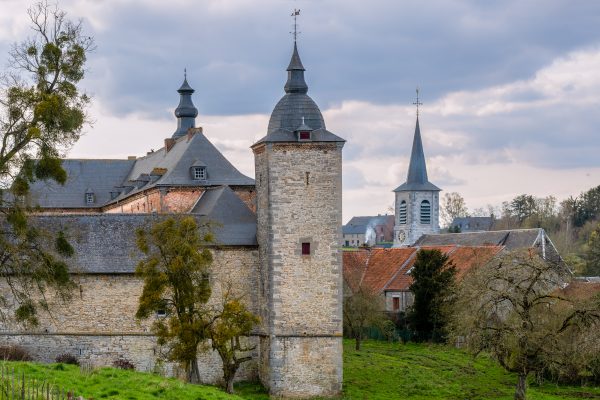
From the old fortified lordly farm to the castle-farm.
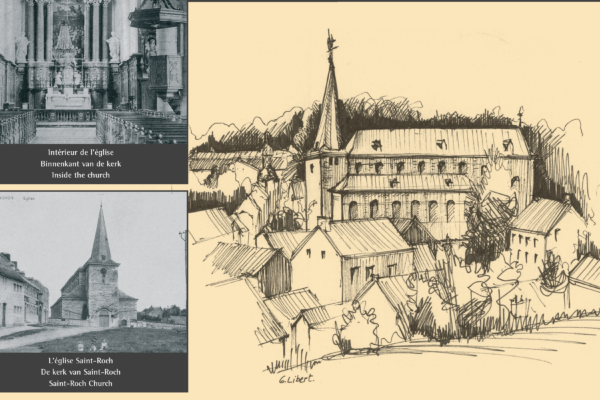
Plongez dans le patrimoine de Soiron grâce aux panneaux didactiques FR - NL - EN
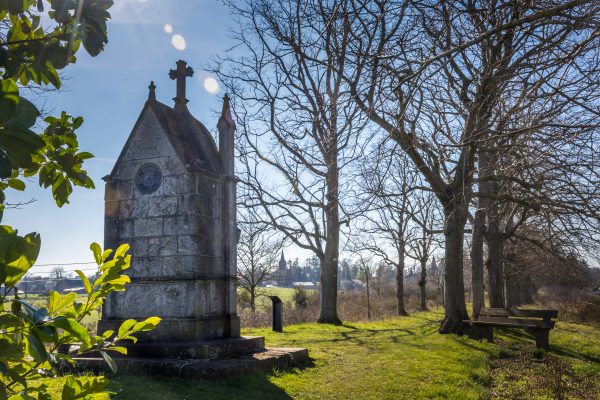
At the end of an alley punctuated by 38 lime trees was a chapel.
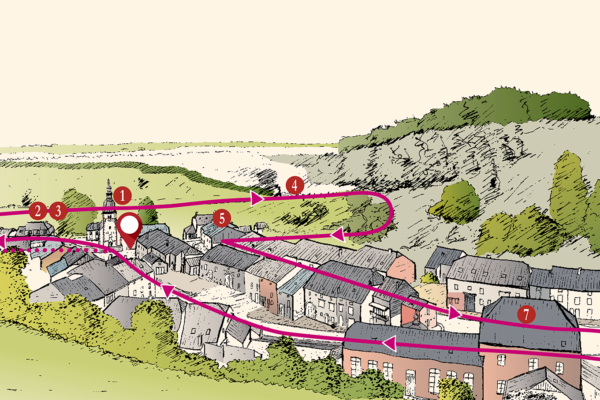
Immerse yourself in the heritage of Chassepierere with the discovery tour FR - NL - EN
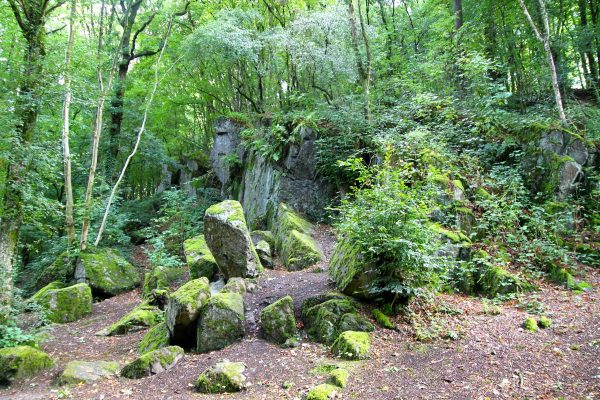
In the heart of the woods, a rocky escarpment several million years old! (Outside the village - 5 km)
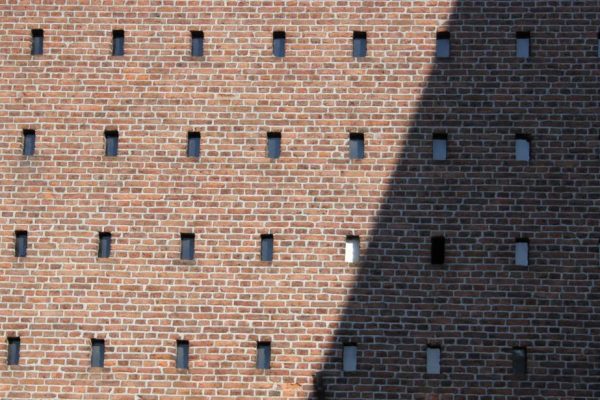
A symbol of the region's intense wool industry in the 19th century, it has brick facades pierced by numerous slits and marks the landscape with its singular silhouette.
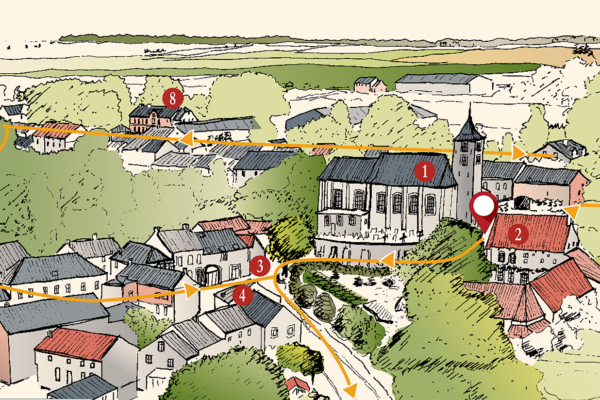
Plongez dans le patrimoine de Saint-Remy-Geest grâce au circuit découverte FR - NL - EN
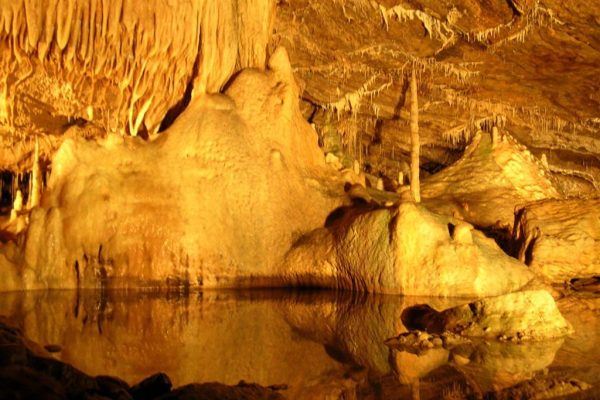
Discover the underground world!
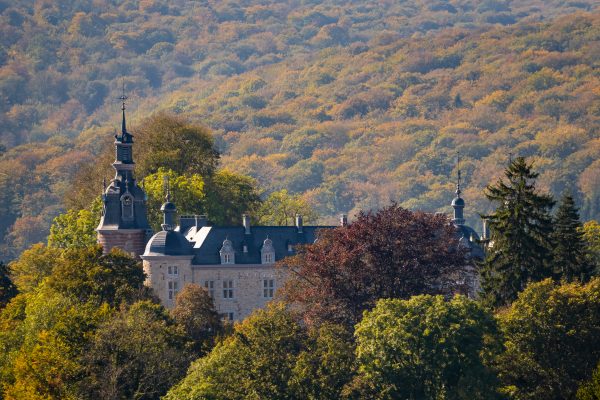
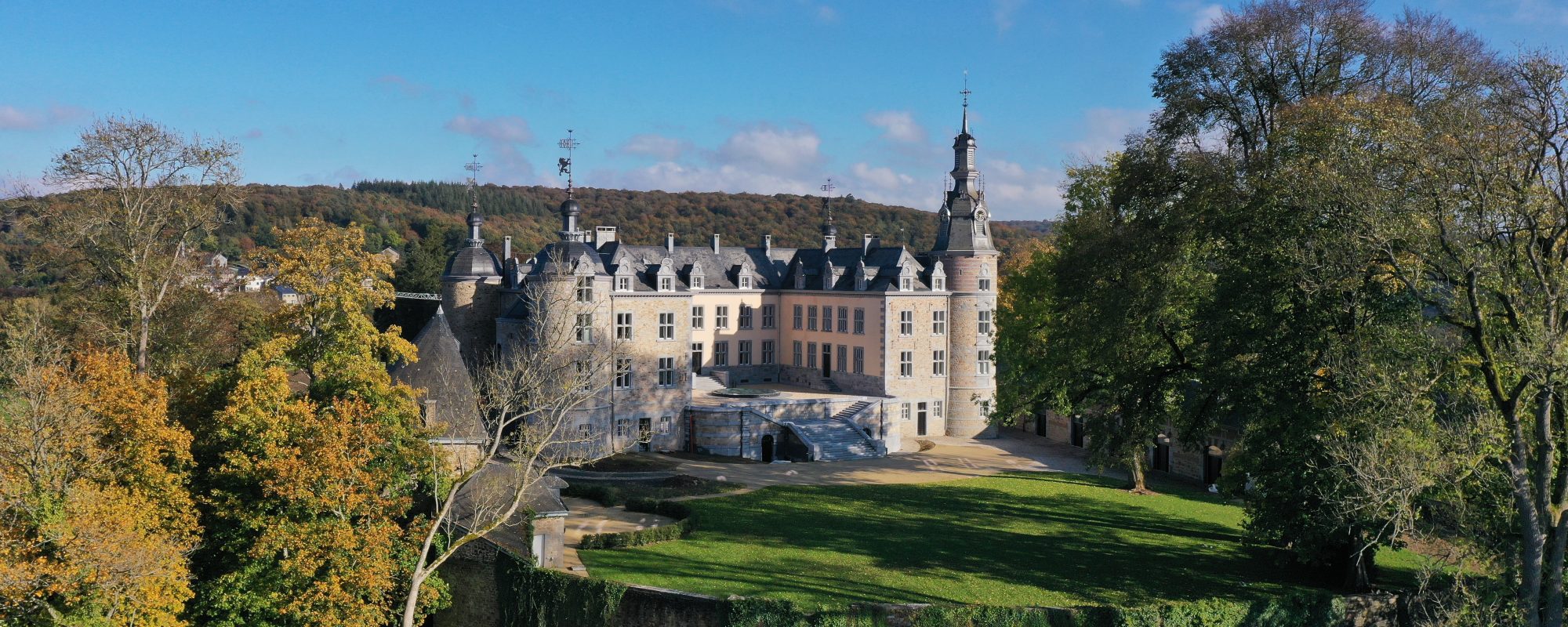
From fortress to pleasure castle to renowned hotel complex.
The association Les Plus Beaux Villages de Wallonie (The Most Beautiful Villages of Wallonia) oversees a network of 32 villages, bearers of a strong territorial identity and reflecting traditional architecture. It is committed to promoting the rural, cultural and natural heritage of Wallonia and is a part of the development of local and responsible tourism.
More information