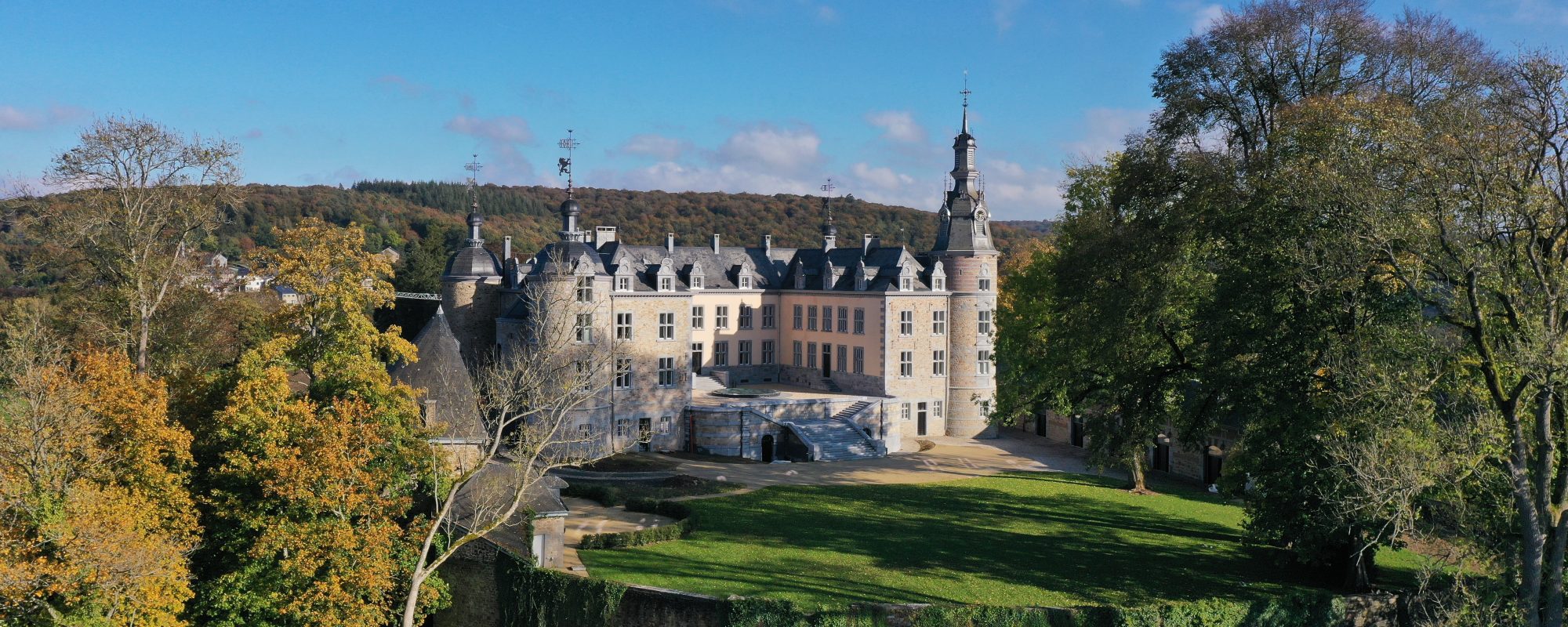
Our villages vary between rural heritage, classified monuments and remarkable sites. Whether castles, farms, churches or abbeys, traditional buildings, rural or natural heritage, discover the must-see Most Beautiful Villages of Wallonia!
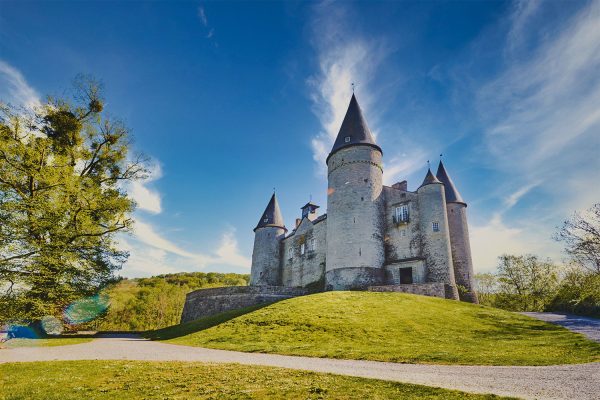
Considered one of the most beautiful medieval castles in Belgium, the Vêves Castle seems to come straight out of a fairy tale - Exceptional heritage of Wallonia (Outside the village - 2km).
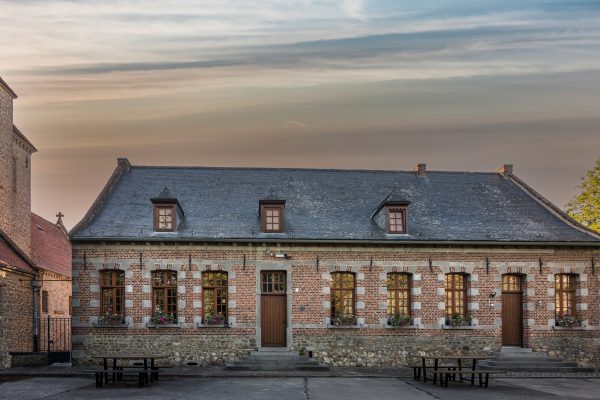
On the site of the former abbey of the Trinité and Saint-Géry, this former farmhouse dates from 1778 - Listed monument.
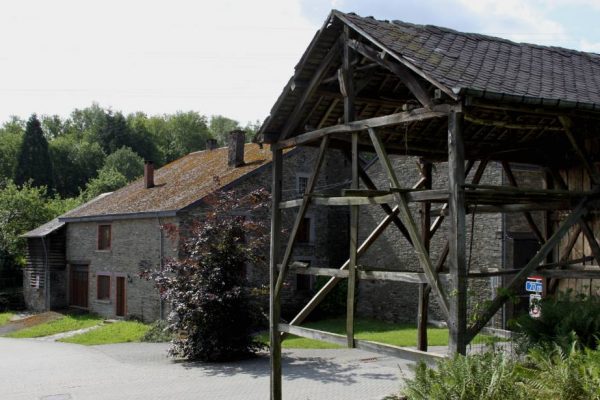
Reminiscent of the old tobacco activity, they enliven the picturesque village of Laforêt with their centuries-old frames.
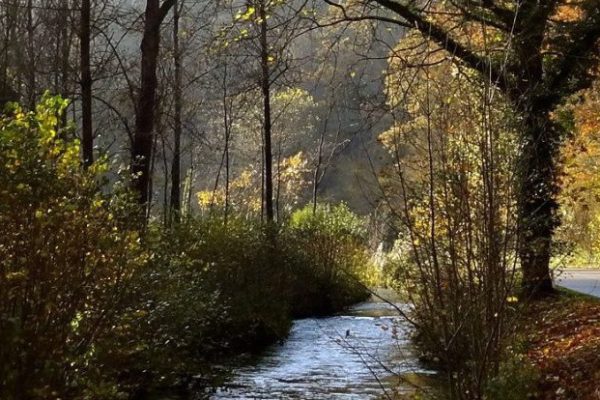
Picturesque valley and site of great biological interest "Natura 2000".
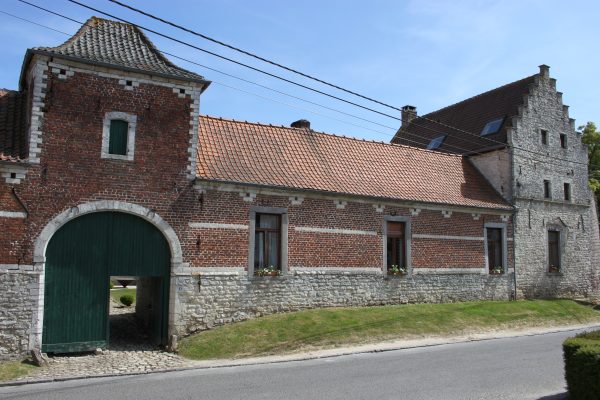
A traditional farm on a courtyard, in the heart of the beautiful village of Mélin.
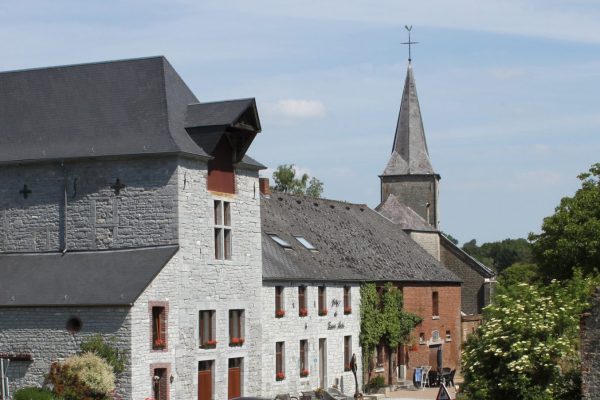
A former feudal castle of which only a few traces remain today: the dwelling and the ruins of the old barn.
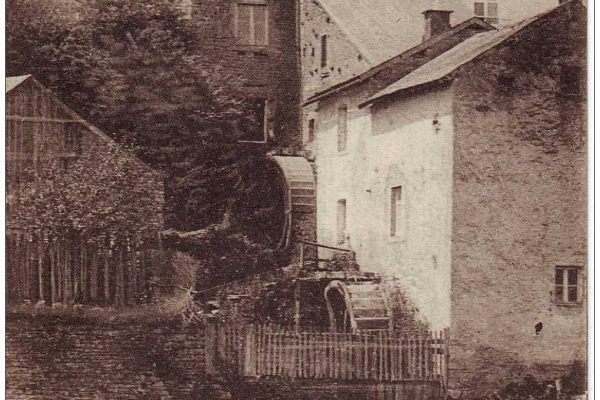
An old mill and ancient galleries dug into the limestone rock as a place of residence for magical beings...
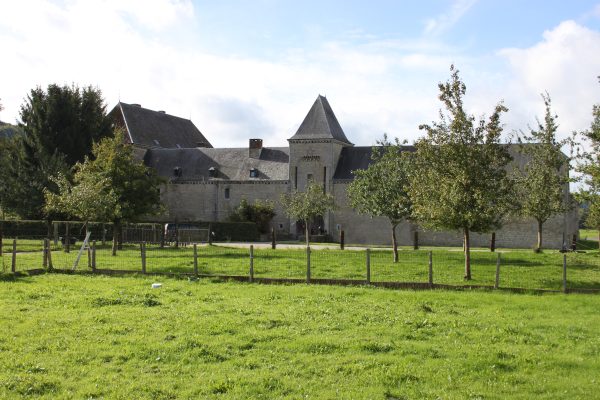
A vast quadrilateral of about 60 metres on each side as the seat of a 17th century landed seigneury - Listed monument - Privately owned.
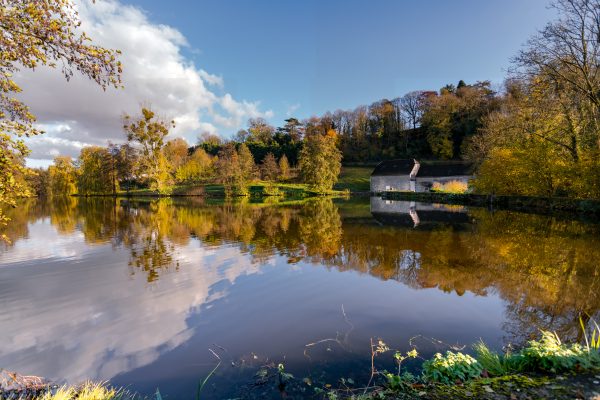
La présence d’une des rares stations indigènes d'ifs fait de ce lieu un site majeur!
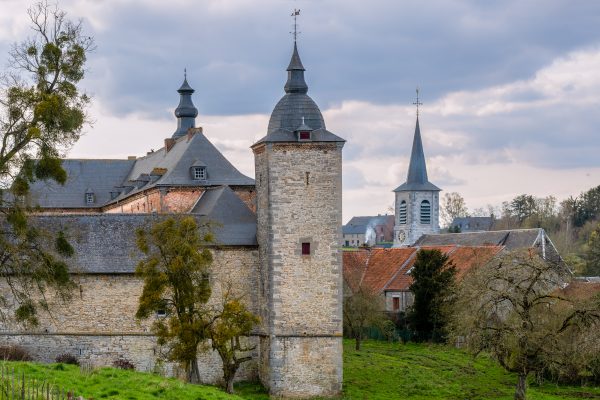
From the old fortified lordly farm to the castle-farm.
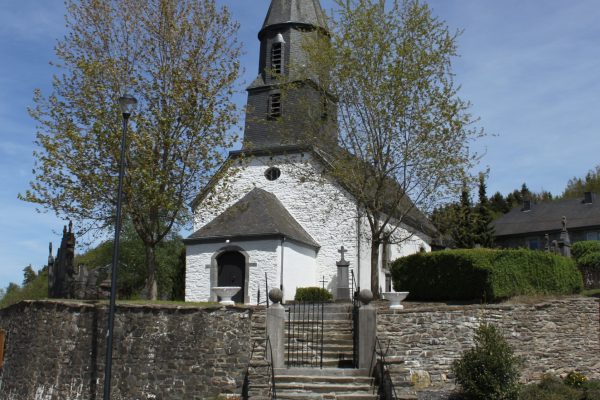
Characteristic of a secular model, and set on the large walled base of the cemetery, the Saint-Laurent church has dominated the village since 1820 - Listed monument

A religious building with medieval origins in the heart of the locality - Listed monument.
The association Les Plus Beaux Villages de Wallonie (The Most Beautiful Villages of Wallonia) oversees a network of 32 villages, bearers of a strong territorial identity and reflecting traditional architecture. It is committed to promoting the rural, cultural and natural heritage of Wallonia and is a part of the development of local and responsible tourism.
More information