Our villages vary between rural heritage, classified monuments and remarkable sites. Whether castles, farms, churches or abbeys, traditional buildings, rural or natural heritage, discover the must-see Most Beautiful Villages of Wallonia!
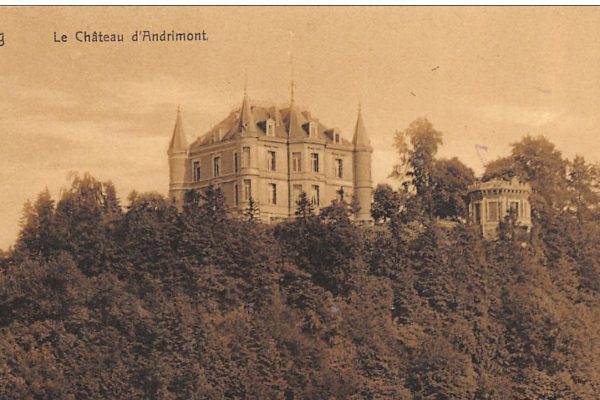
From medieval fortifications to pleasure residence, it was burnt down by the German army. The entrance pavilions remind us of the vanished castle.
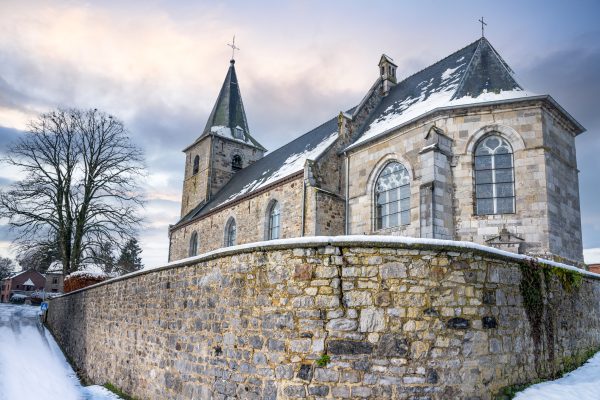
A blend of Romanesque and Gothic for this church which boasts authentic Baroque stalls similar to those in Cockayne Church in England - a listed monument.
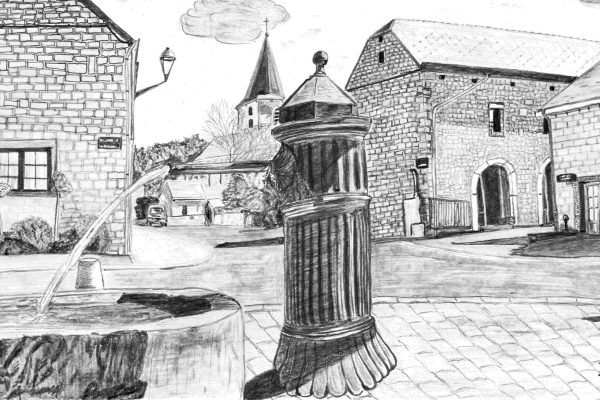
Ny, a place where stone and water are combined.
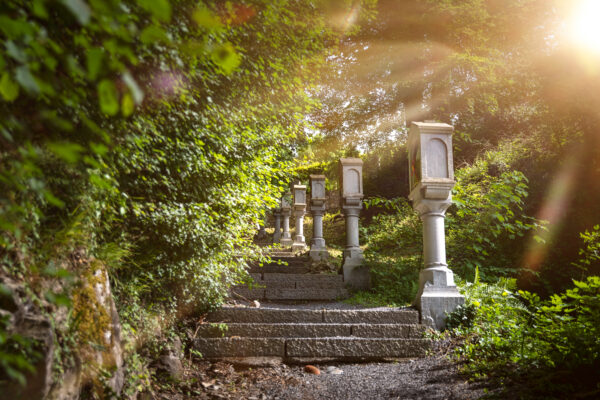
Au départ de la place de l'église, un circuit d'interprétation d'1,5km tracé autour de Celles suggère aux visiteurs d'arpenter ruelles et sentiers à la découverte du patrimoine du village et de sa ric
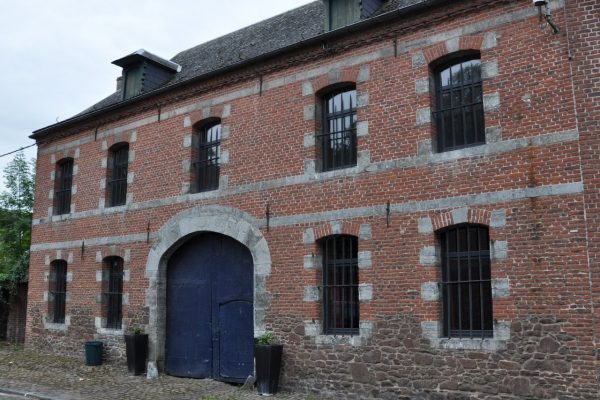
Dating back to 1686, the Jospein farmhouse is built around a farmyard with its dwellings, outbuildings and other traditional volumes.
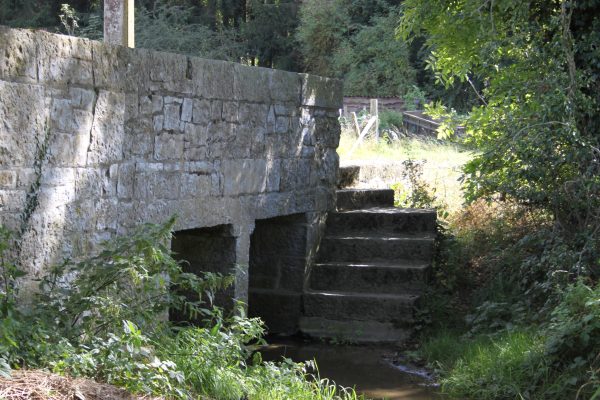
Reminiscent of the time of the washerwomen along the Chardeneux stream.
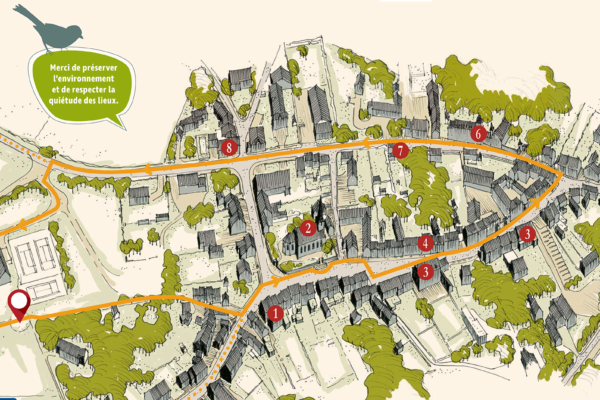
Plongez dans le patrimoine de Olne grâce au circuit découverte FR - NL - EN
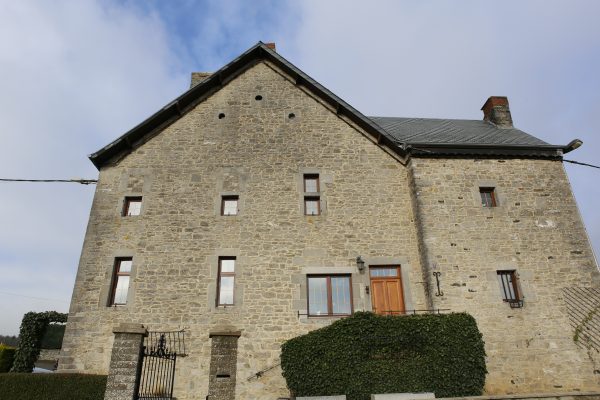
Buildings from the 17th, 18th and 19th centuries with seigniorial origins and former court of justice.
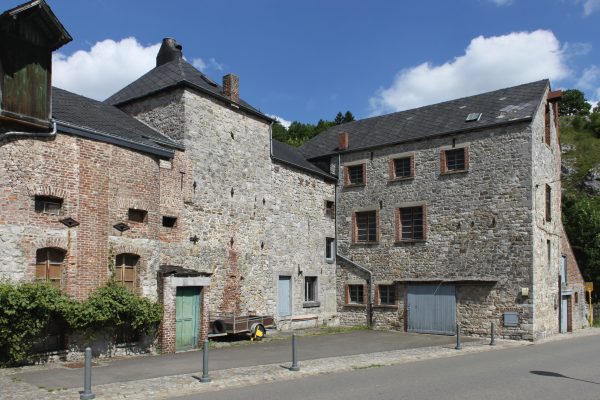
Evidence of the village's brewing activity since 1847.
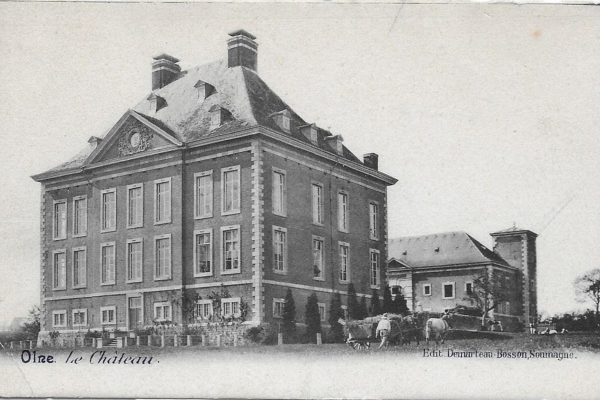
A masterly gateway to the town, the only remnant of Olne Castle.
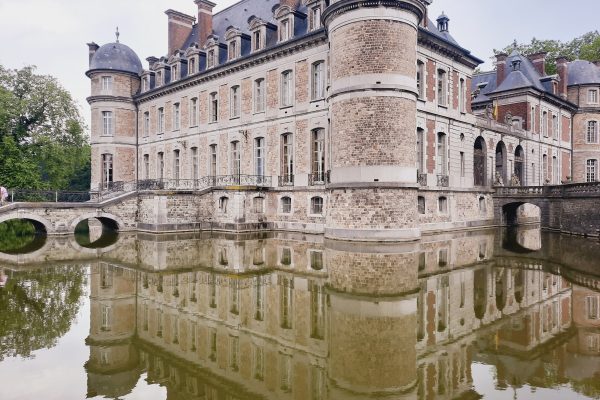
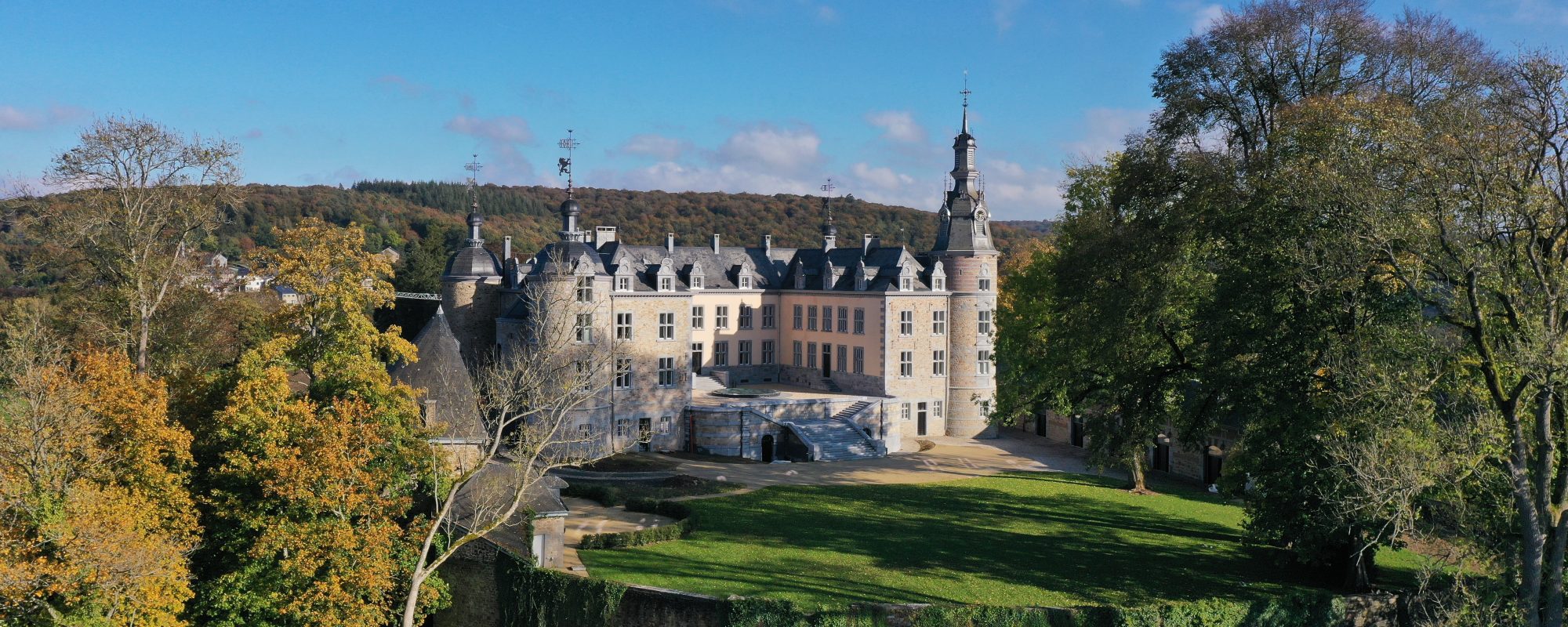
From the medieval fortress to the pleasure castle - Exceptional heritage of Wallonia (Outside the village - 3 km).

Picturesque valley and site of great biological interest "Natura 2000".
The association Les Plus Beaux Villages de Wallonie (The Most Beautiful Villages of Wallonia) oversees a network of 32 villages, bearers of a strong territorial identity and reflecting traditional architecture. It is committed to promoting the rural, cultural and natural heritage of Wallonia and is a part of the development of local and responsible tourism.
More information