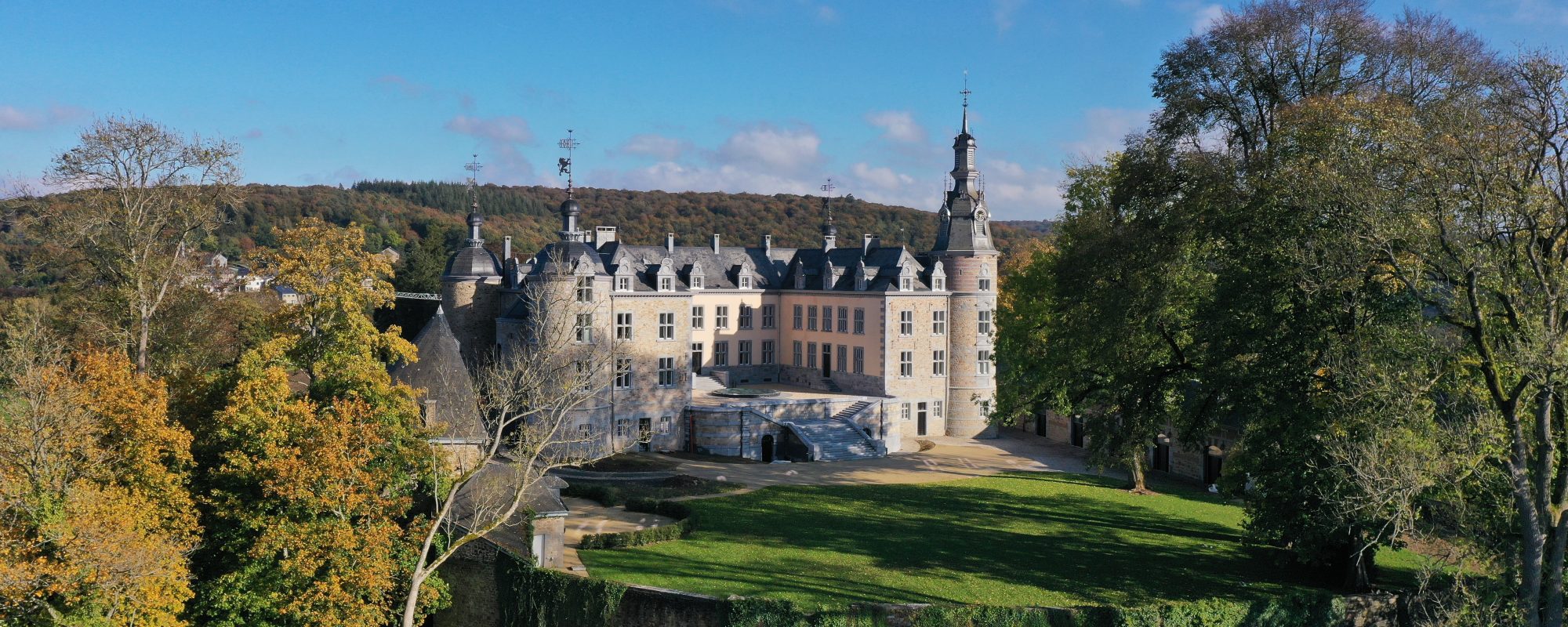
Our villages vary between rural heritage, classified monuments and remarkable sites. Whether castles, farms, churches or abbeys, traditional buildings, rural or natural heritage, discover the must-see Most Beautiful Villages of Wallonia!
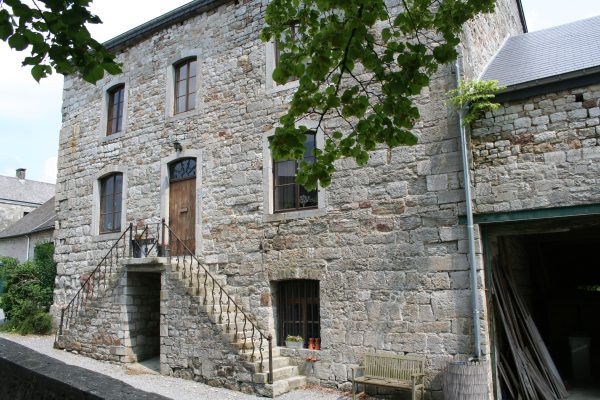
An ancient fortified house, a witness to the medieval past of the village, which became a presbytery and a large residence with a proven heritage value.
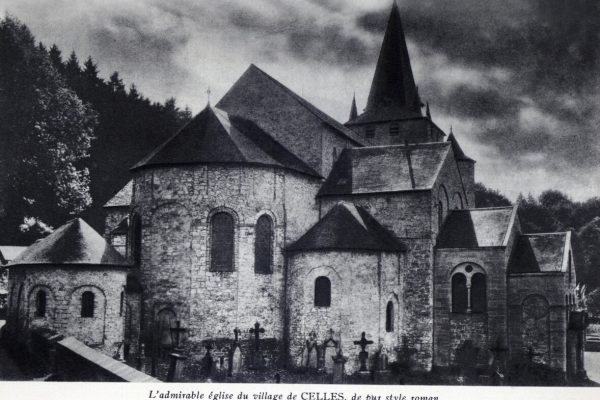
Since the 11th century, the collegiate church has displayed its cascading limestone volumes in the heart of the village of Celles - an exceptional heritage of Wallonia.
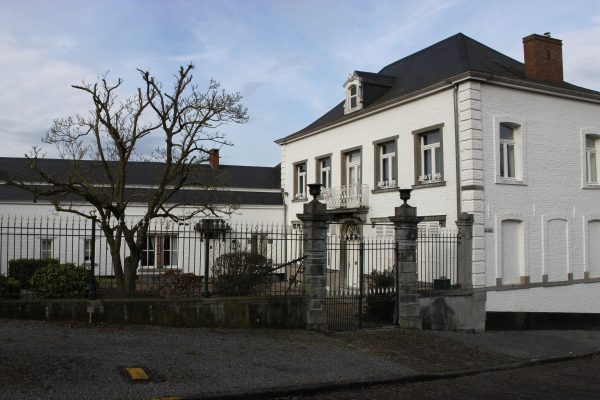
A witness to the local bourgeoisie of the 19th century, this remarkable mansion opens its main whitewashed façade onto a carefully wooded courtyard.
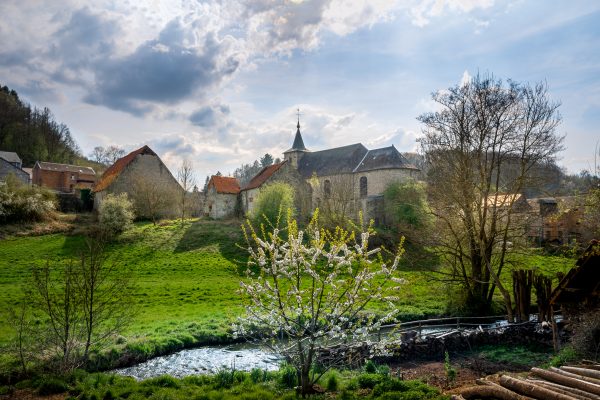
From its small promontory in the shelter of the Molignée, it watches over the village - listed monument
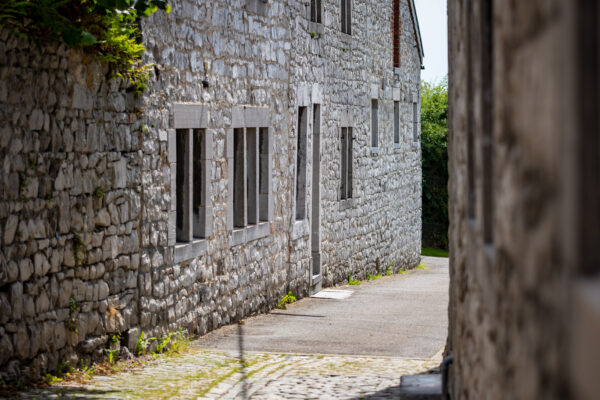
Découvrez Olne autrement grâce à l'audioguide FR
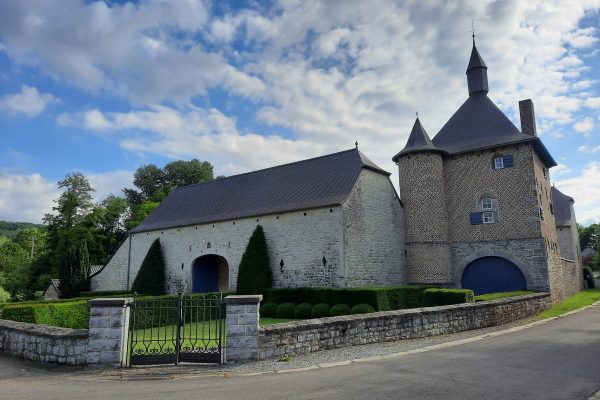
Beautiful limestone ensemble from the 17th and 18th centuries, the seat of a former seigneurial dwelling - listed monument.
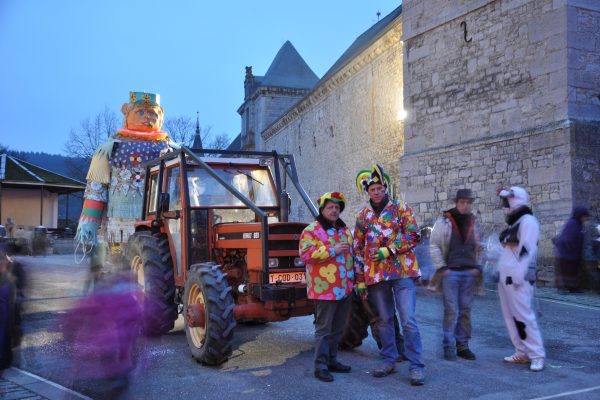
A masterpiece of the local oral and intangible heritage, the Vierves-sur-Viroin carnival is intimately linked to the history of the village.
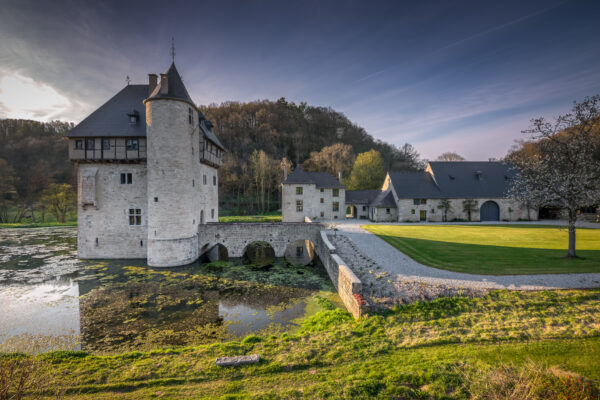
Un circuit d’interprétation de 2 km agrémenté de panneaux didactiques guidera vos pas à la découverte du charme pittoresque de la localité…
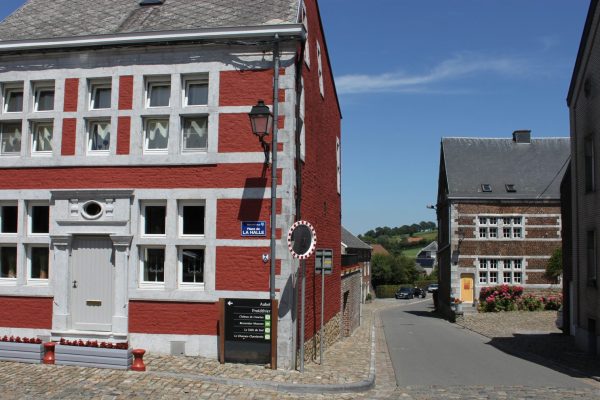
An elegant late 17th century building as the entrance to the Place de la Halle - Listed monument.

A beautiful unfinished Romanesque church, the former abbey church of a short-lived monastery.
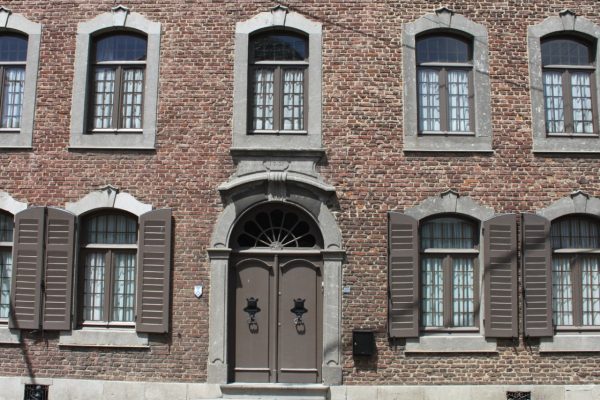
Facades inspired by urban mansions, a symbol of economic growth and success for the Olne bourgeoisie of the 18th century.
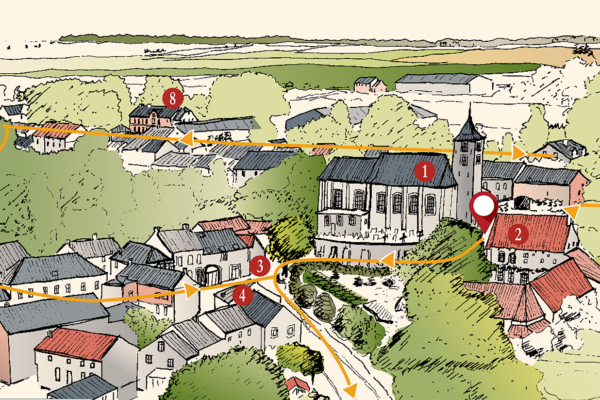
Plongez dans le patrimoine de Saint-Remy-Geest grâce au circuit découverte FR - NL - EN
The association Les Plus Beaux Villages de Wallonie (The Most Beautiful Villages of Wallonia) oversees a network of 32 villages, bearers of a strong territorial identity and reflecting traditional architecture. It is committed to promoting the rural, cultural and natural heritage of Wallonia and is a part of the development of local and responsible tourism.
More information