Our villages vary between rural heritage, classified monuments and remarkable sites. Whether castles, farms, churches or abbeys, traditional buildings, rural or natural heritage, discover the must-see Most Beautiful Villages of Wallonia!
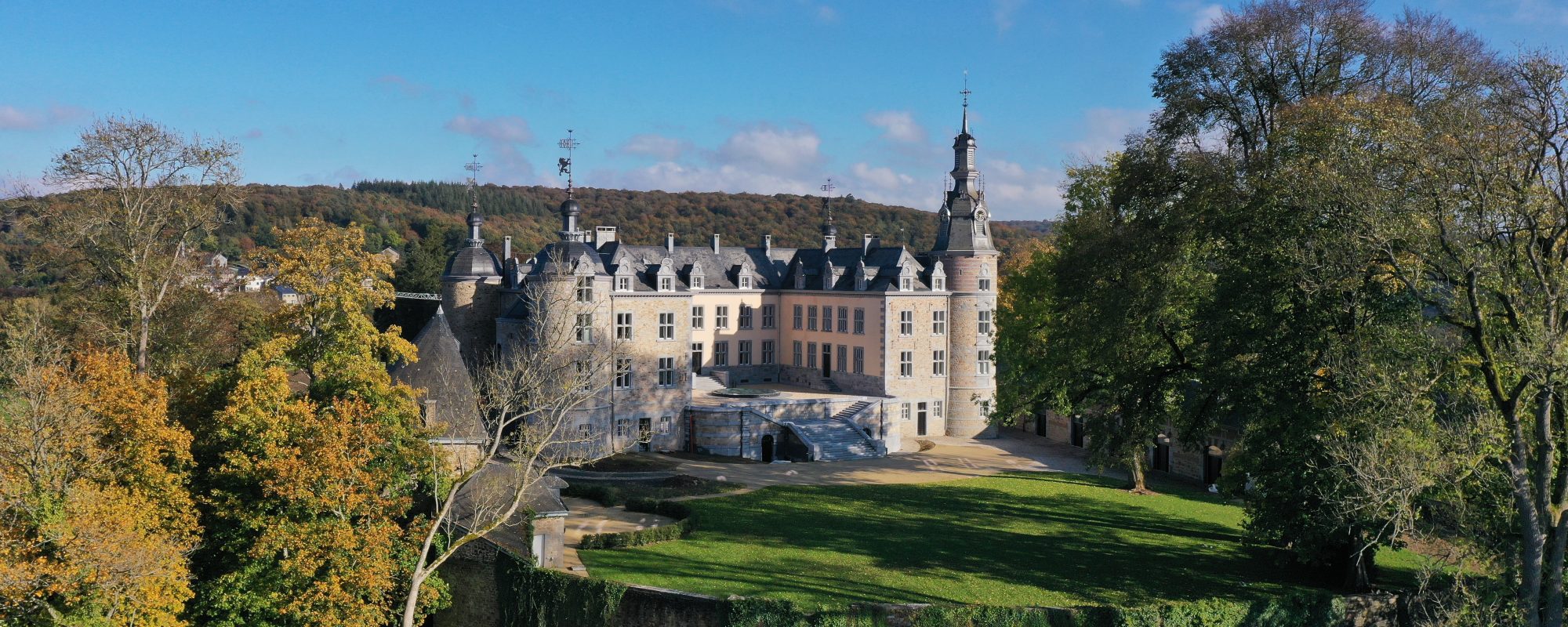
Based on a fortress and a farm of medieval origin, the emblematic building spreads its slender silhouette across the landscape of Vierves-sur-Viroin - private property.
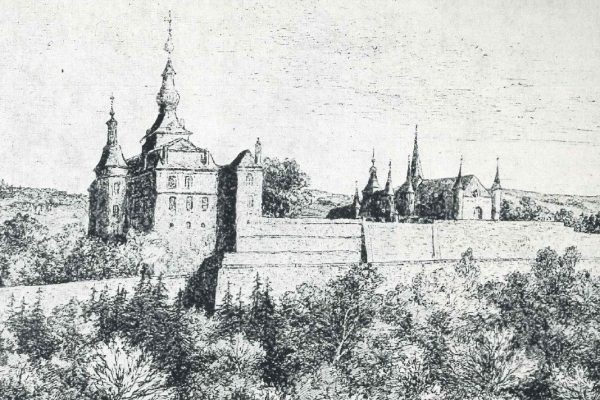
A vast walled complex, developed mainly in the 16th and 17th centuries from a medieval keep.
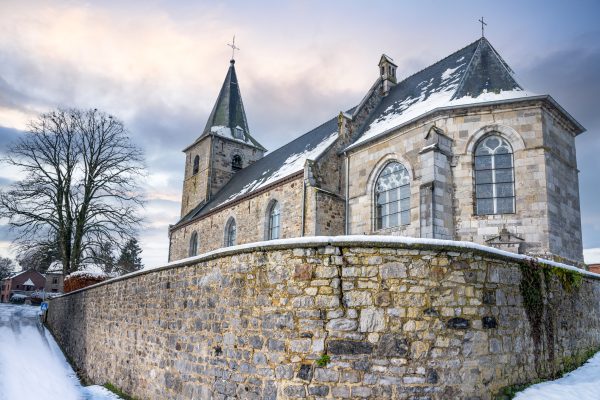
A blend of Romanesque and Gothic for this church which boasts authentic Baroque stalls similar to those in Cockayne Church in England - a listed monument.
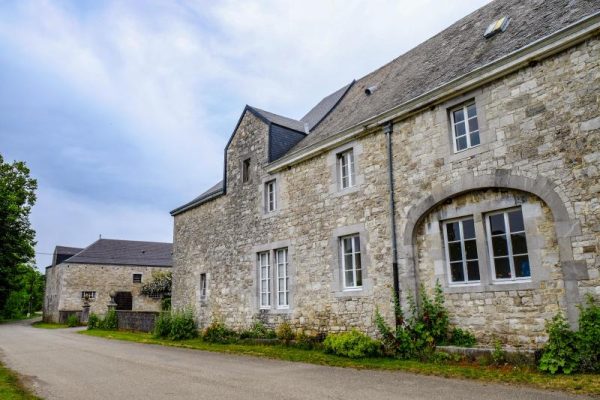
Facing the ponds, a magnificent hamlet made up of 17th, 18th and 19th century limestone buildings - (Outside the village - 4 km).

A blend of Romanesque and Gothic, the Sainte-Colombe church is the only building in the locality to have survived the centuries.
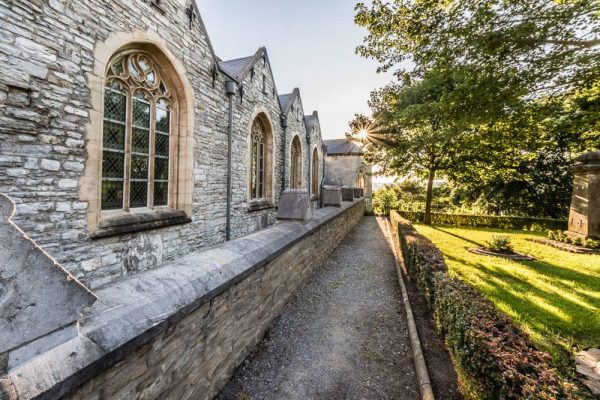
From the top of its rocky spur overlooking a meander of the Vesdre, the silhouette of Saint-Georges church looks proud and dominates the locality - listed monument - Exceptional heritage of Wallonia

A beautiful unfinished Romanesque church, the former abbey church of a short-lived monastery.
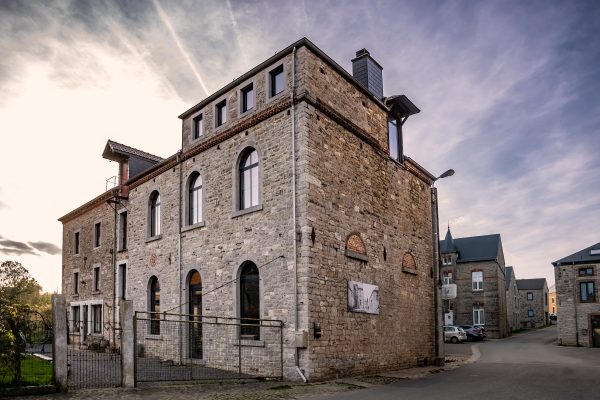
A brewery that used to be supplied with water by the Brou, a small, partly arched stream that flowed nearby.
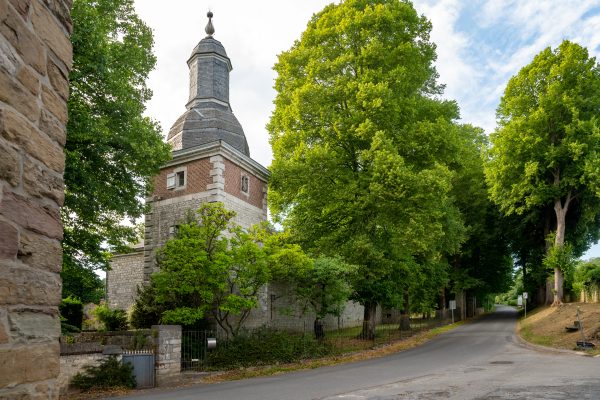
A castle whose origins date back to the 14th century - Listed monument.
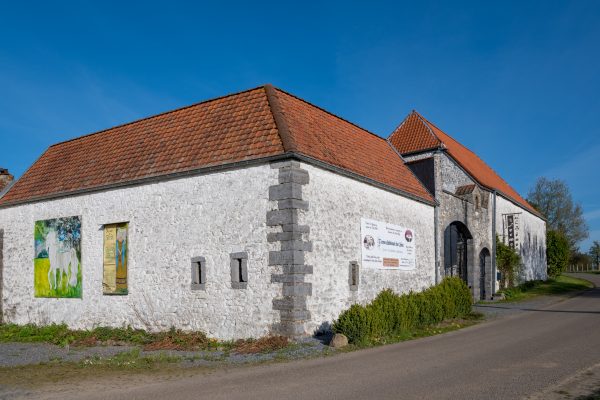
A burst of white in the rural landscape of Ragnies.
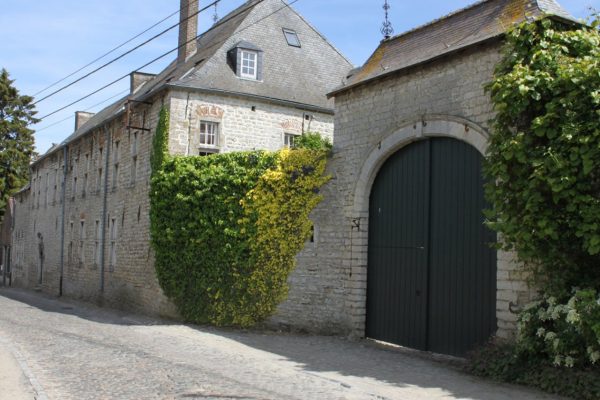
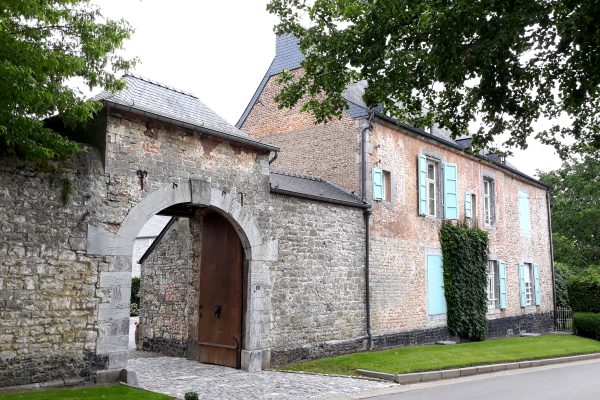
A vast U-shaped farmhouse whose origins date back to the 16th and 17th centuries.
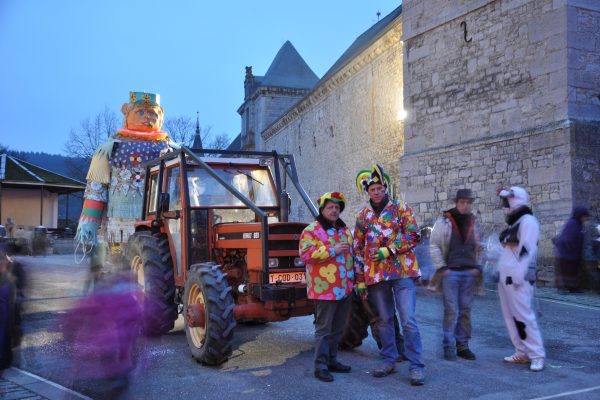
A masterpiece of the local oral and intangible heritage, the Vierves-sur-Viroin carnival is intimately linked to the history of the village.
The association Les Plus Beaux Villages de Wallonie (The Most Beautiful Villages of Wallonia) oversees a network of 32 villages, bearers of a strong territorial identity and reflecting traditional architecture. It is committed to promoting the rural, cultural and natural heritage of Wallonia and is a part of the development of local and responsible tourism.
More information