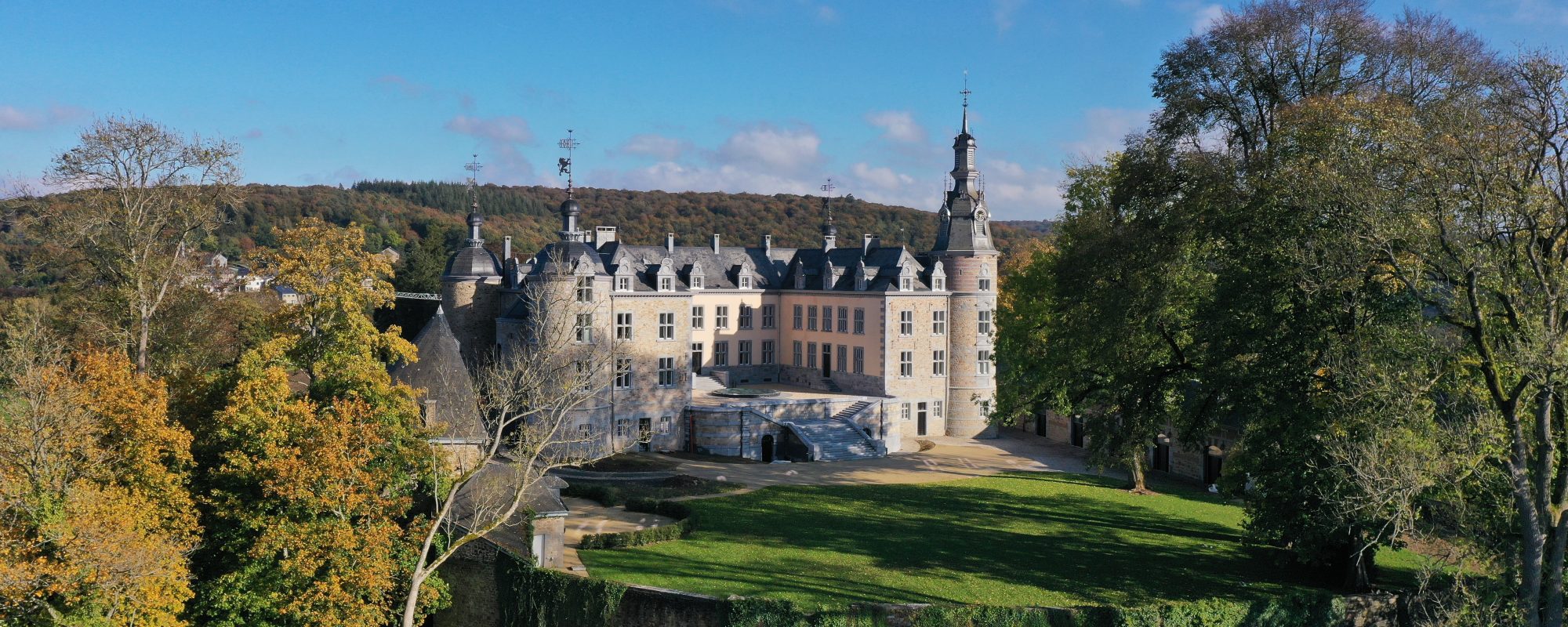
Our villages vary between rural heritage, classified monuments and remarkable sites. Whether castles, farms, churches or abbeys, traditional buildings, rural or natural heritage, discover the must-see Most Beautiful Villages of Wallonia!

A deep valley and a "White Water" which owes its name to the clear, "white" aspect of this water which flows along a meander dug in a limestone subsoil.
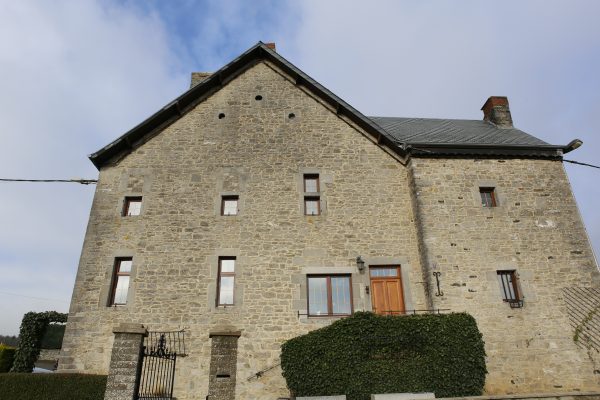
Buildings from the 17th, 18th and 19th centuries with seigniorial origins and former court of justice.
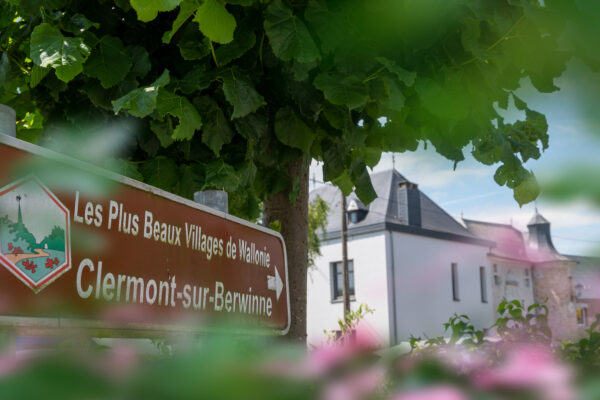
Fondée en 1216 par des moines cisterciens, l’abbaye Notre-Dame du Val-Dieu est un havre de paix au cœur du Pays de Herve. Elle se situe au centre du triangle Liège-Maastricht-Aix-la-Chapelle.
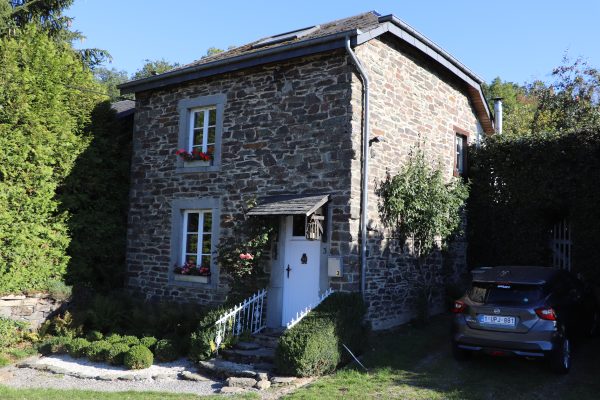
A single room on the ground floor and a bedroom upstairs for this house which had all the amenities.
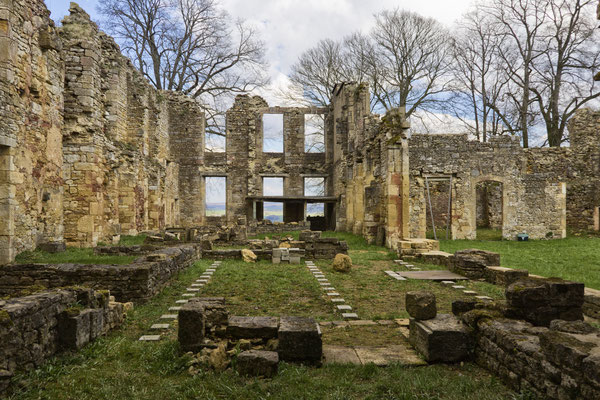
At the bottom of the gentle Gaume, the ruins of Montquintin Castle, surrounded by its hamlet, contemplate the landscape - Exceptional Heritage of Wallonia (Outside the village - 5 km)
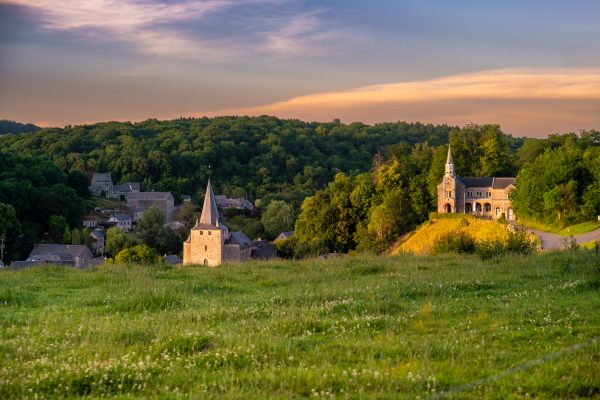
A 19th century neo-Romanesque building as a promontory above the village of Celles.
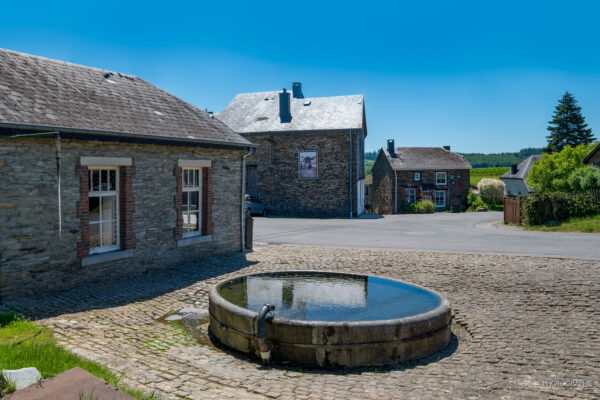
Dans le haut du village, le lavoir fut aménagé en 1865, en contrebas d'une source alimentant deux grands bacs en pierre calcaire ainsi que l'abreuvoir circulaire établi à proximité.
Plongez à la découverte du secret de Chouet !
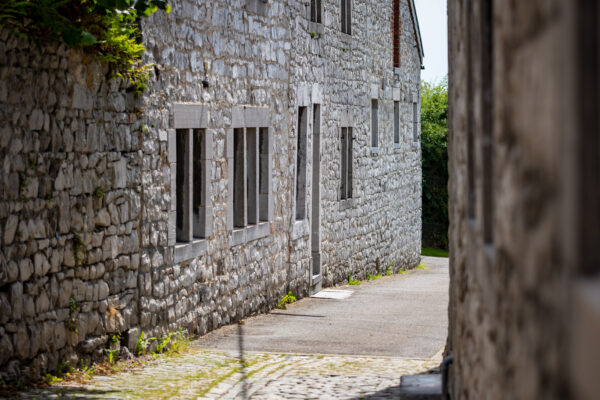
Découvrez Olne autrement grâce à l'audioguide FR
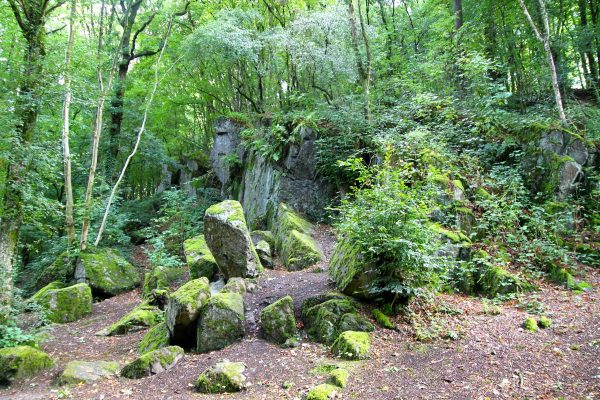
In the heart of the woods, a rocky escarpment several million years old! (Outside the village - 5 km)
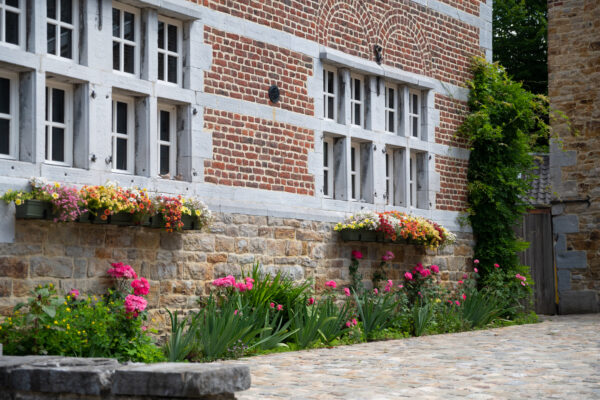
La Place de la Halle de Clermont-sur-Berwinne est souvent présentée comme un ensemble architectural homogène qui permet de retrouver les différents styles qui se sont succédés dans nos régions.
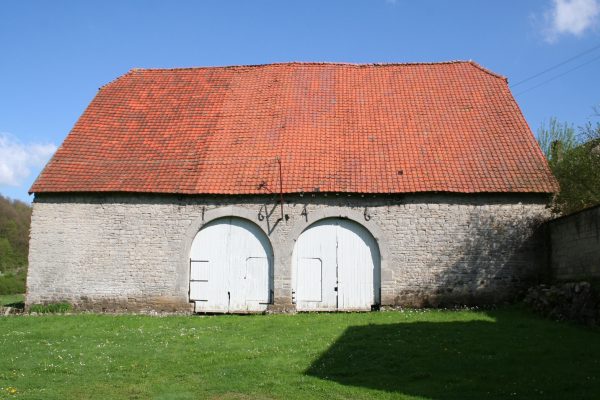
Dated 1646, a large orange-red vessel in the green landscape of Sosoye.
The association Les Plus Beaux Villages de Wallonie (The Most Beautiful Villages of Wallonia) oversees a network of 32 villages, bearers of a strong territorial identity and reflecting traditional architecture. It is committed to promoting the rural, cultural and natural heritage of Wallonia and is a part of the development of local and responsible tourism.
More information