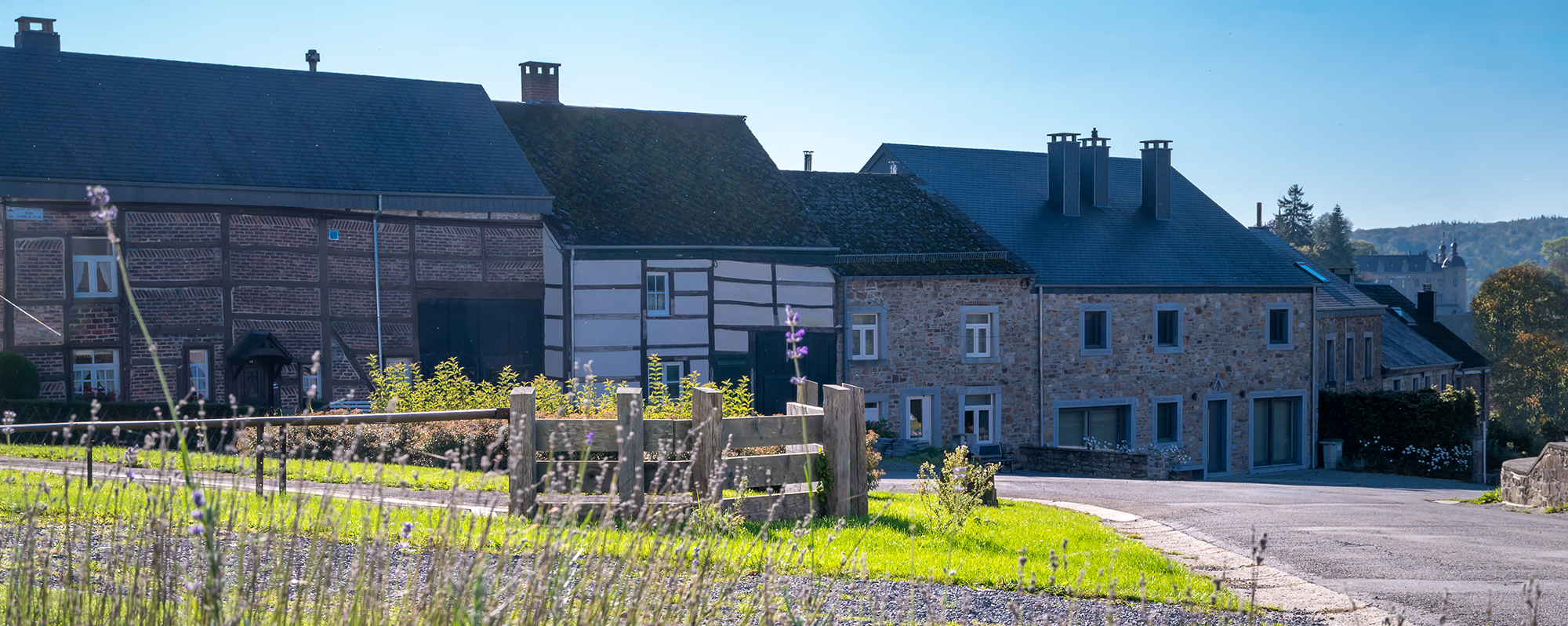
Characteristic of a region, a village, discover the traditional village settlements and the elements of rural heritage which comprise them.
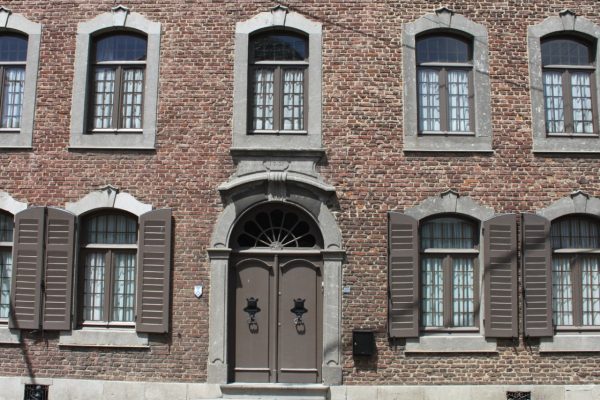
Facades inspired by urban mansions, a symbol of economic growth and success for the Olne bourgeoisie of the 18th century.
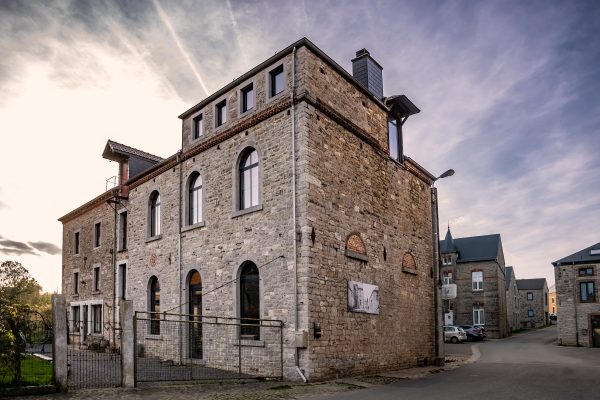
A brewery that used to be supplied with water by the Brou, a small, partly arched stream that flowed nearby.

A day at the Aubechies Archeosite is an impressive journey through 5000 years of our past. An unforgettable adventure in a real open-air museum...
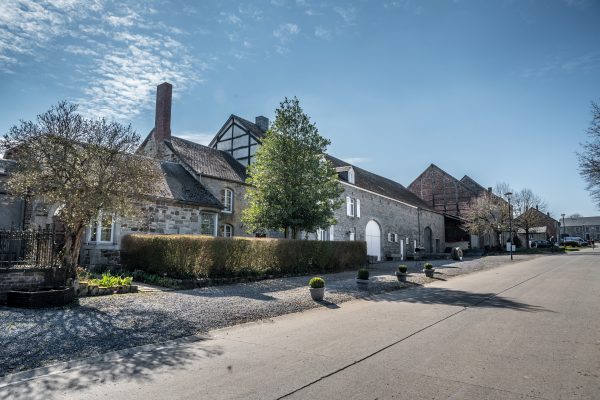
Homogeneous volumes from the second half of the 19th century, typical of the regional habitat.
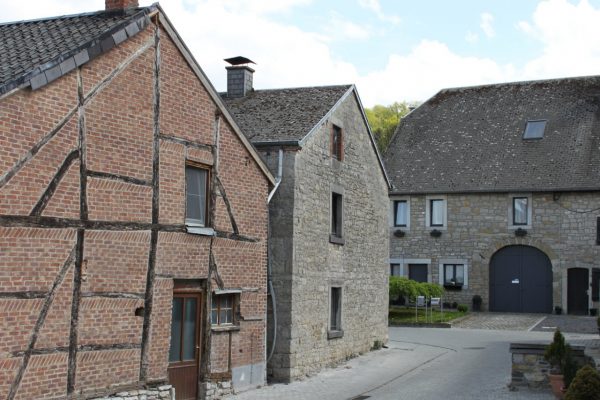
In the village of Ny, there are qualitative examples of buildings with half-timbered facades or gables.
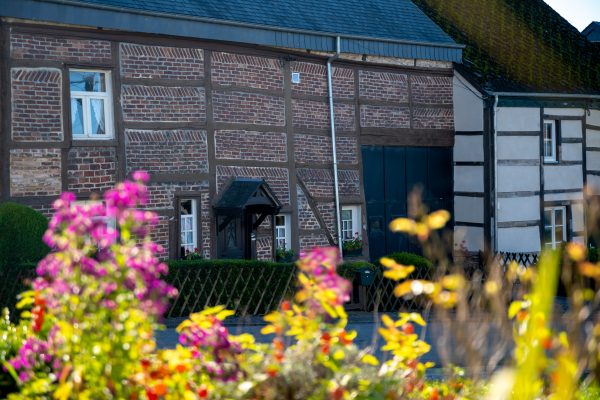
Some of the traditional houses in Mirwart still proudly bear witness to an old building technique.
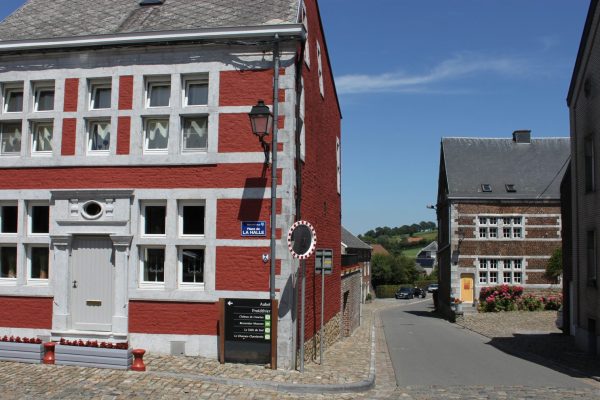
An elegant late 17th century building as the entrance to the Place de la Halle - Listed monument.
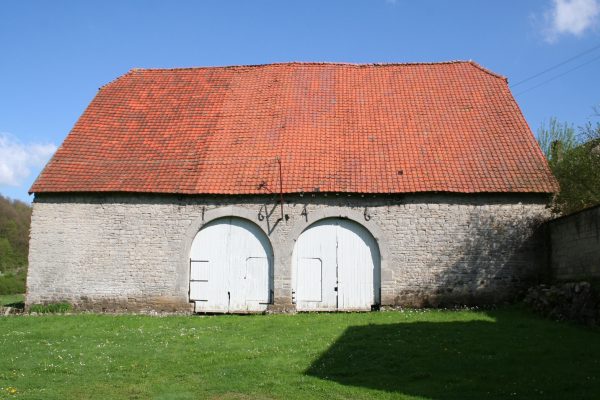
Dated 1646, a large orange-red vessel in the green landscape of Sosoye.
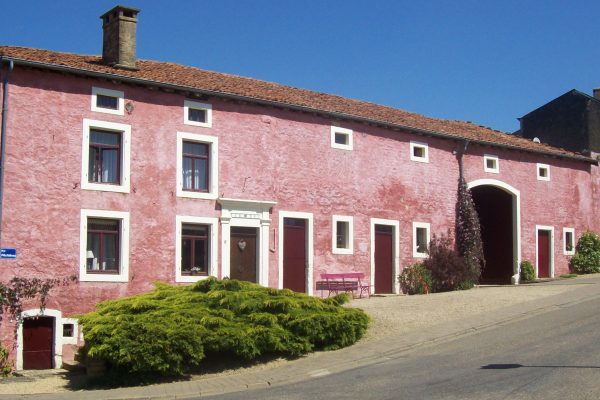
A string of traditional volumes all dressed in pink - Listed monument.
The association Les Plus Beaux Villages de Wallonie (The Most Beautiful Villages of Wallonia) oversees a network of 32 villages, bearers of a strong territorial identity and reflecting traditional architecture. It is committed to promoting the rural, cultural and natural heritage of Wallonia and is a part of the development of local and responsible tourism.
More information