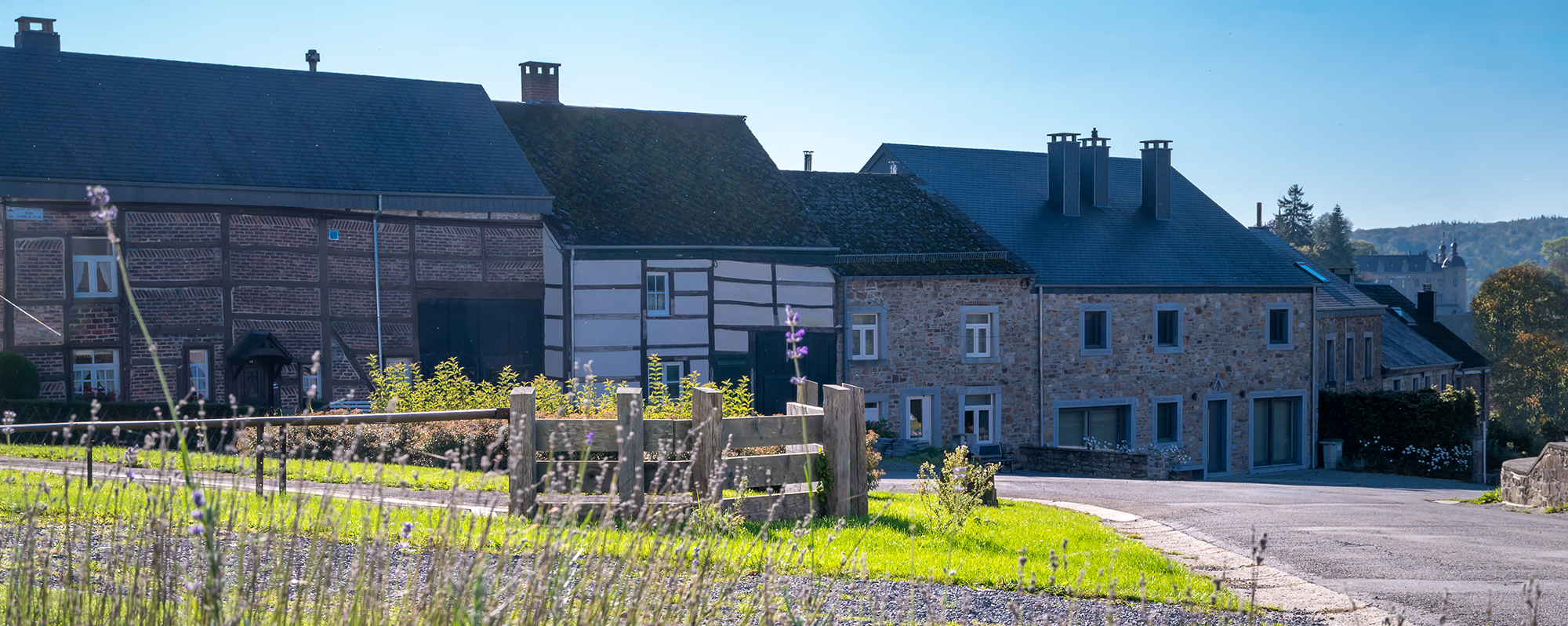
Characteristic of a region, a village, discover the traditional village settlements and the elements of rural heritage which comprise them.
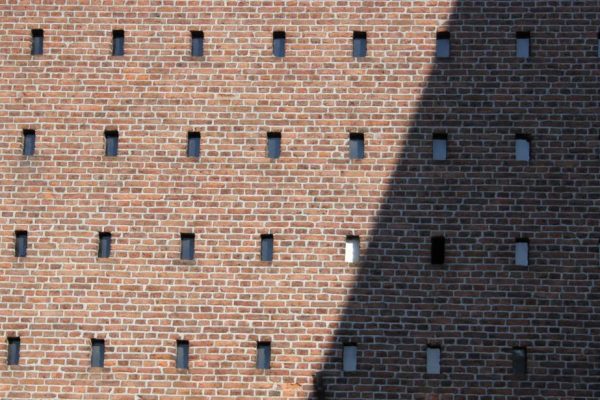
A symbol of the region's intense wool industry in the 19th century, it has brick facades pierced by numerous slits and marks the landscape with its singular silhouette.
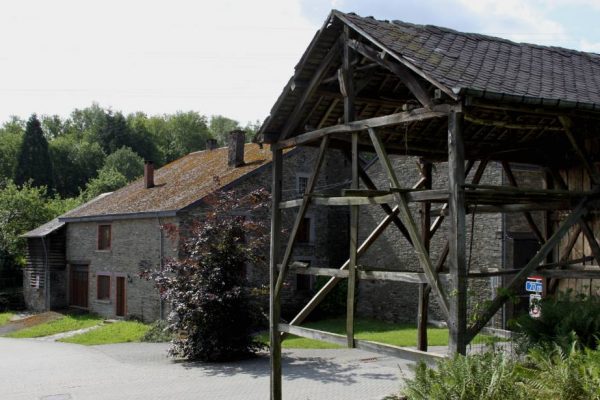
Reminiscent of the old tobacco activity, they enliven the picturesque village of Laforêt with their centuries-old frames.
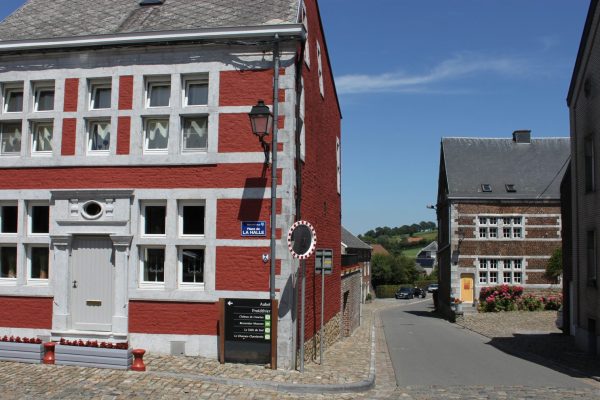
An elegant late 17th century building as the entrance to the Place de la Halle - Listed monument.
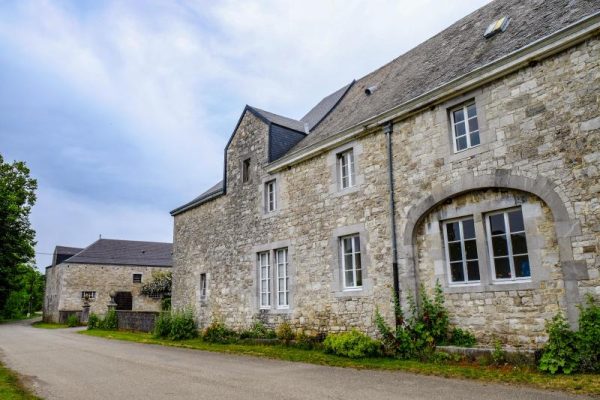
Facing the ponds, a magnificent hamlet made up of 17th, 18th and 19th century limestone buildings - (Outside the village - 4 km).
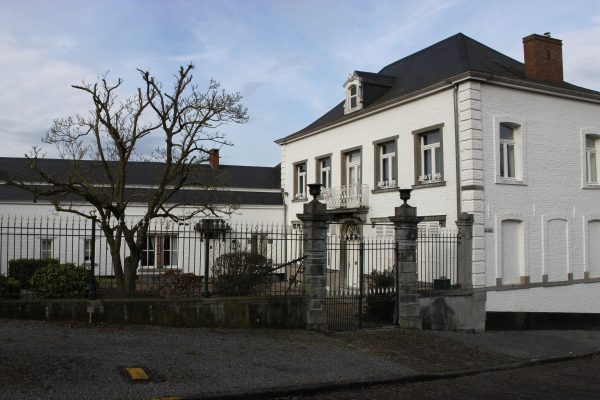
A witness to the local bourgeoisie of the 19th century, this remarkable mansion opens its main whitewashed façade onto a carefully wooded courtyard.
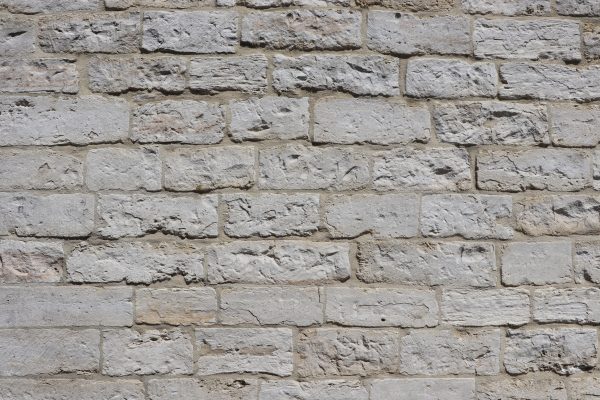
The stone of the villages of the "Vallée Blanche"
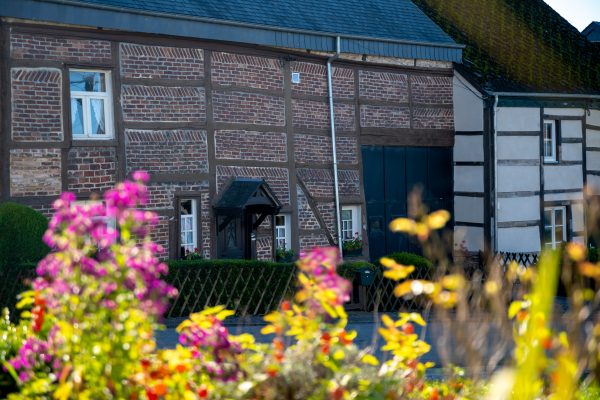
Some of the traditional houses in Mirwart still proudly bear witness to an old building technique.
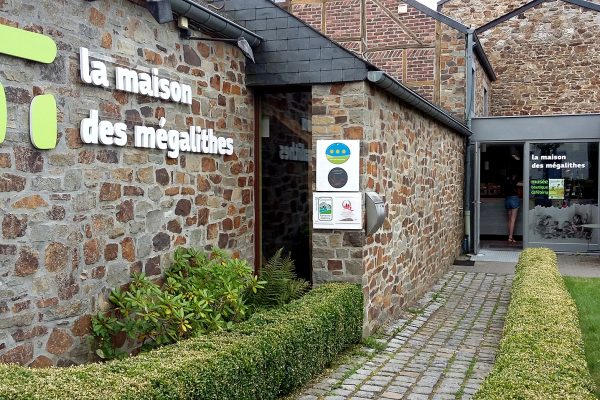
An ideal starting point for exploring the village of Wéris, the region and the famous megalithic field.
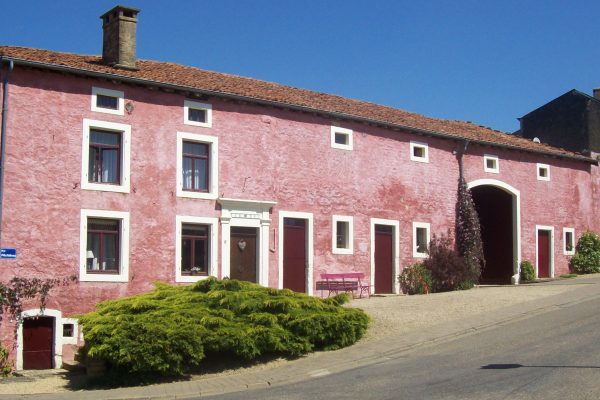
A string of traditional volumes all dressed in pink - Listed monument.
The association Les Plus Beaux Villages de Wallonie (The Most Beautiful Villages of Wallonia) oversees a network of 32 villages, bearers of a strong territorial identity and reflecting traditional architecture. It is committed to promoting the rural, cultural and natural heritage of Wallonia and is a part of the development of local and responsible tourism.
More information